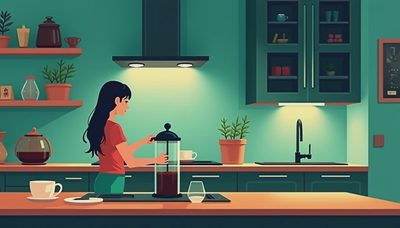

When I started comparing french press vs pour over, I expected one clear winner. Instead, I found two useful methods for very different mornings. A French press makes a full, rich mug with almost no technique. Pour over coffee tastes cleaner and gives you more control, but it asks you to stand there and pay attention. If you have ten minutes before work, your schedule matters more than coffee internet opinions.
My short answer is simple: choose a French press for speed, body, and low-cost brewing. Choose pour over when you enjoy a brighter cup and do not mind weighing grounds, pouring water, and rinsing a few extra pieces. Neither method requires a $200 setup. A basic press or a plastic cone can make excellent coffee for roughly the cost of two café drinks.
French press vs pour over: the practical differences
A French press steeps coarse coffee grounds in hot water for about four minutes. You press a metal filter through the brew, then pour. Because the filter lets oils and tiny particles through, the result is usually full-bodied, heavier, and sometimes a little muddy at the bottom of the mug.
Pour over uses a paper filter to separate water from coffee grounds as you pour. The brew usually takes three to five minutes, depending on the size and your pouring speed. Paper catches most sediment and coffee oils, so the cup feels lighter, cleaner, and more defined. Fruity or floral notes tend to stand out more, while dark roasts can taste crisp instead of thick.
The equipment difference is manageable. A 34-ounce Bodum-style French press can cost about $20 to $35. A plastic Hario V60 dripper often costs around $10 to $15, although you also need paper filters and a kettle. A gooseneck kettle helps with control, but a regular kettle works if you pour slowly. This is better, but it is not $100 better for a first attempt.

Flavor, strength, and coffee preferences
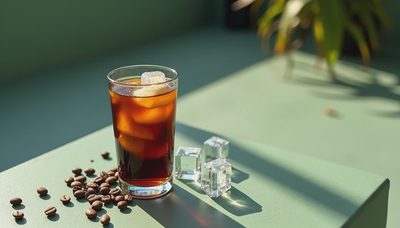
The biggest difference in french press vs pour over is texture. French press coffee has more weight, which works well with a splash of half-and-half or oat milk. It can also stand up to flavored syrups if you are making an easy homemade café drink. Jamie likes this style over ice with a little vanilla syrup because it still tastes like coffee after the ice melts.
Pour over is my preference when I drink coffee black. The paper filter produces a clean sip that makes inexpensive medium-roast beans taste more distinct. It is easier to notice acidity, sweetness, and roast differences. That does not make it more sophisticated; it simply makes the cup less heavy.
Strength is adjustable with either method. Start with about 1 ounce, or 28 grams, of coffee for 16 ounces of water. For a stronger French press, use more coffee or steep for another 30 seconds. For pour over, change the coffee-to-water ratio before grinding everything finer. A very fine grind can slow the brew and create bitterness.
If your coffee often tastes harsh, do not immediately buy new equipment. Water that is too hot, stale beans, or a grind that is too fine can cause the problem. Let freshly boiled water sit for 30 to 60 seconds, and use beans opened within a few weeks when possible.
Time and cleanup on a workday
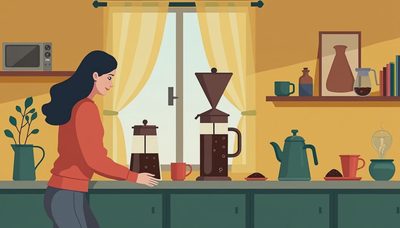
French press wins the morning speed test. Add grounds, pour water, wait, press, and serve. Total active time is about two minutes, and the four-minute steep happens while you pack a lunch or search for your keys. The annoying part comes afterward: grounds must go into the trash or compost, not down most drains, and the mesh filter needs a thorough rinse.
Pour over has more active steps. You need to place the filter, rinse it if you dislike paper flavor, add grounds, bloom them with a little water, and pour in stages. Once practiced, this takes around five minutes. Cleanup is easy because you lift out the paper filter and grounds together. The dripper and server usually need only a quick rinse.
In my kitchen, French press cleanup takes longer but happens less often because I make a larger batch. Pour over creates less mess per brew, but I am standing at the counter the entire time. For a rushed Monday, the French press is the obvious choice. For a quiet Saturday morning, the extra pour feels reasonable.
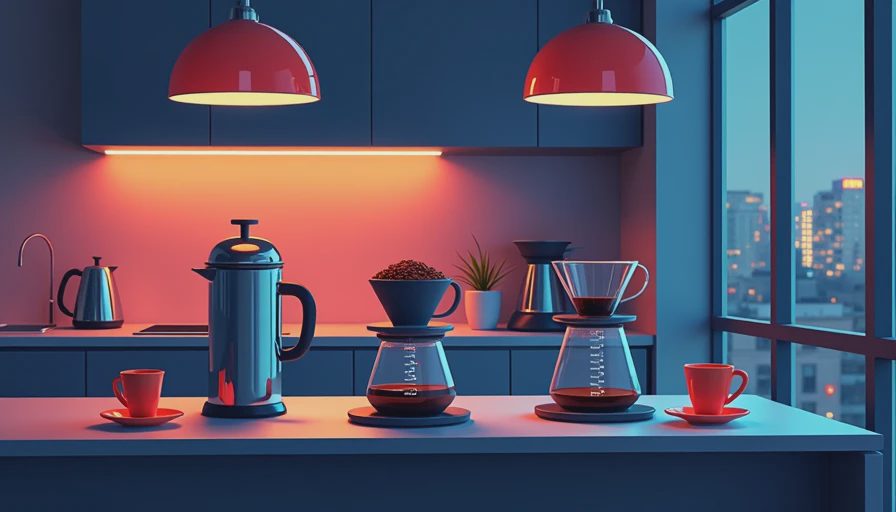
Cost per cup and equipment value
Both methods are inexpensive compared with a coffee shop. A 12-ounce bag of grocery-store beans priced at $12 can produce roughly 20 to 24 cups, depending on your dose. That puts the coffee around 50 to 60 cents per serving before milk or sweetener. A café drink costing $5 adds up to about $100 over 20 workday mornings.
A French press has one main purchase and no recurring filter cost. Replacement mesh screens are available for many common sizes, but a glass carafe can break if it slips into the sink. A plastic press is less attractive but more practical for a small apartment or busy household.
Pour over filters are a small ongoing expense. Generic cone filters can cost only a few cents each, while branded filters often cost more. Add $10 for a dripper, and the basic setup can still pay for itself quickly. I would not buy a scale or specialty kettle until you have made at least a dozen cups and know you enjoy the ritual.
Which method is easier to repeat?
Repeatability is where the two methods separate. French press is forgiving. If your pour is uneven or you forget the timer by 30 seconds, the cup will probably still be drinkable. That makes it useful for beginners, households with different wake-up times, and anyone who wants a dependable full carafe.
Pour over rewards consistency but exposes small mistakes. Too much water in one spot can leave dry grounds elsewhere. Pouring too quickly can make a weak cup; pouring too slowly can make it bitter. A kitchen scale helps because you can repeat a 20-gram coffee and 320-gram water recipe instead of guessing.
For french press vs pour over, repeatability depends on what you want to repeat. If you want the same easy mug every weekday, use the press. If you want to fine-tune a bean and enjoy improving your technique, pour over gives you more useful control.
My recommendation for different mornings
Choose a French press if you drink two mugs, like a heavier texture, add milk, or want the fewest active steps. It is also the better starting point for a shared kitchen because one batch can serve two people. Make the coffee, pour it into insulated mugs, and move on.
Choose pour over if you drink one mug, prefer black coffee, have limited counter space, or dislike sediment. It is especially good for testing different grocery beans without buying a large machine. The paper filter also makes the cup feel cleaner when served iced.
For french press vs pour over, my overall recommendation is the French press for busy weekdays and pour over for intentional weekend coffee. I tried it. I priced it. Here is the shortcut: buy the cheaper method that matches your actual routine, not the one that looks most impressive online. Good enough is the point here, and either method is more than good enough when the grind, water, and beans are reasonably fresh.
If you are still undecided, borrow or buy the least expensive version of each. Spend one week making the same coffee with both methods. Notice which cup you finish, which cleanup you tolerate, and which setup you use without negotiating with yourself. That answer is more useful than any universal ranking.