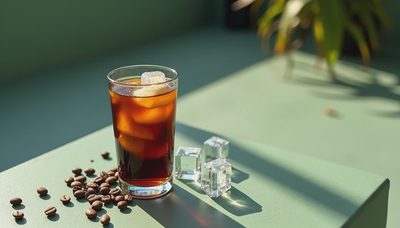
Cold brew caffeine content is not one fixed number. It depends on the coffee-to-water ratio, steeping time, bean choice, serving size, and whether you are drinking ready-to-serve cold brew or a concentrated base. A typical 12-ounce glass can contain roughly 150 to 250 milligrams of caffeine, while a heavily diluted homemade batch can land much lower. I tried it, I priced it, and here is the shortcut: control the ratio and the pour size before buying special equipment.
The confusing part is that cold brew tastes smooth and less bitter than hot coffee, so it can seem weaker than it is. Smooth flavor does not automatically mean less caffeine. A large café drink made from concentrate can contain substantially more caffeine than a small mug of regular drip coffee.
What changes cold brew caffeine content?
The first variable is the amount of ground coffee used. If you steep one cup of grounds with four cups of water, you create a stronger base than if you use one cup of grounds with eight cups of water. That stronger base is usually diluted before drinking, but the final caffeine amount depends on how much concentrate reaches your glass.
Steeping time matters less than many people expect once the coffee has had enough time to extract. Most cold-brew recipes steep for 12 to 18 hours in the refrigerator or at room temperature. Moving from 12 to 16 hours can change flavor and strength, but it does not magically double the caffeine. The coffee dose and final serving size have a bigger practical effect.
Bean type and grind also influence the result. Arabica beans generally contain less caffeine by weight than robusta beans, and a coarse grind is standard for cold brew because it is easier to filter. Dark roasting does not remove all caffeine. Since roasting changes bean density, comparing scoops can be misleading; weighing the grounds gives you a more repeatable batch.
Cold brew caffeine content compared with other coffee
A useful comparison starts with serving size. An 8-ounce cup of drip coffee commonly contains around 80 to 120 milligrams of caffeine, although the range is wide. A single 1-ounce espresso shot often has about 60 to 75 milligrams. Espresso tastes intense because it is concentrated, not necessarily because it contains the most caffeine.
Cold brew caffeine content can exceed both when the serving is large or made from a strong concentrate. A 16-ounce café cold brew might contain somewhere around 200 to 300 milligrams, depending on the shop’s recipe. That does not mean every large cup reaches the high end. It means the label “cold brew” is not enough information by itself.
I also compare cold brew with iced coffee, which is simply hot-brewed coffee poured over ice in many cafés. Iced coffee may taste brighter and more roasted because hot water extracts different flavor compounds. Its caffeine level can be similar to cold brew when the same amount of coffee and water is used. Ice changes temperature and dilution, not the caffeine already extracted.
For a practical home comparison, measure 12 ounces of each drink instead of comparing a small mug with a giant tumbler. This removes the serving-size trick and gives you a clearer idea of how your own recipe performs.
Concentrate makes the math confusing
Homemade concentrate is convenient because one jar can provide several drinks. My usual Sunday batch uses 1 cup of coarse grounds and 4 cups of water, then gets filtered and stored in the refrigerator. For a normal morning glass, I pour 4 ounces of concentrate over ice and add 4 to 6 ounces of water or milk. Jamie uses more milk and syrup; I use less dilution and drink it black.
That recipe produces a strong base, but the cold brew caffeine content in the finished glass is determined by the amount of concentrate in that glass. If you double the concentrate and keep the same amount of water, you have nearly doubled the coffee dose per serving. The flavor will be stronger, but the caffeine increase is the part worth remembering.
A kitchen scale is helpful but not mandatory. A measuring cup, large jar, paper filter, and fine-mesh strainer are enough to start. My first attempt used a narrow bottle and created a miserable cleanup job because the grounds clogged the filter. A wide-mouth jar is faster, easier to rinse, and costs less than a dedicated brewer.
For cost, grocery-store beans can put a homemade serving around 50 to 90 cents, depending on the coffee and milk. A café cold brew can easily cost $4 to $6 before extras. The home version does not need to taste identical to a coffee shop drink to be worth making.
How to lower or raise the caffeine in your glass
To lower cold brew caffeine content without throwing away a batch, dilute it with more water, milk, or ice. Start with a 1-to-1 ratio of concentrate and water, taste it, and adjust in 1-ounce steps. Adding milk changes texture and flavor, but it does not remove caffeine. Decaffeinated beans can reduce the total substantially, although decaf still contains a small amount.
To raise the strength, use more concentrate rather than letting the grounds steep for several extra days. A longer steep can create woody, harsh flavors and does not offer a reliable way to measure the final caffeine level. If your drink tastes weak, increase the coffee dose in the next batch or reduce dilution in the glass.
A half-caf batch is an easy household compromise. Mix regular and decaffeinated coffee grounds before brewing, then use the same ratio for everyone. This works well when one person wants a strong morning drink and another wants something gentler. The flavor stays closer to regular coffee than many canned low-caffeine options.
A simple way to estimate your serving
Exact cold brew caffeine content is difficult to calculate at home without laboratory testing, but a useful estimate is still possible. Begin with the caffeine amount listed for the beans if the package provides one; many packages do not. Then consider the total coffee dose and divide the batch into equal servings. If your recipe uses twice as much coffee as a lighter recipe, each equal serving will generally deliver more caffeine.
For example, suppose a batch makes six 8-ounce drinks. If one person pours a 4-ounce serving and another pours 8 ounces, their caffeine intake will not be the same even though they used the same jar. Write the serving size on a piece of masking tape and keep a measuring cup nearby for the first few mornings. After that, you will know the visual level in your favorite glass.
This is especially useful with insulated tumblers. A 20-ounce cup can quietly turn a moderate recipe into a very large caffeine serving once it is filled with concentrate, milk, and ice. Smaller glasses are not a punishment; they are an easy way to make the drink last and keep the strength predictable.
My weekday cold brew shortcut
On Sunday evening, I steep the grounds in a wide-mouth quart jar, strain the batch the next morning, and store it in a clean bottle. The whole active process takes about ten minutes, although the steeping happens while I sleep. On workdays, I pour measured concentrate over ice, add water, and leave the syrup on the shelf. No blender, frother, or expensive brewer is necessary.
My rule is simple: taste first, then adjust. If the cold brew caffeine content feels too strong, I add water rather than abandoning the batch. If the cup tastes thin, I use less ice or more concentrate next time. Labeling the bottle with the brew date also prevents a forgotten jar from hiding behind the milk.
Cold brew is worth making when you want a fast, inexpensive drink and can spare ten minutes once a week. Start with a moderate ratio, measure your first few servings, and change only one variable at a time. Good enough is the point here—and a repeatable glass waiting in the refrigerator is more than good enough.