If you have seen the glass coffee maker with a plunger sitting on a café counter and wondered what is a french press, the short answer is simple: it is a manual coffee brewer that steeps ground coffee in hot water before separating the grounds with a metal filter. No pods, paper filters, or complicated buttons are required. I tried it on busy mornings, priced the coffee, and found that it can make a rich, full-bodied cup in about five minutes.
What is a French press, exactly?
A French press is a cylindrical container, usually made from glass, stainless steel, or plastic, with a lid and a plunger. The plunger has a fine mesh screen that moves through the coffee and catches most of the grounds. Instead of water flowing through coffee quickly, the grounds sit in the water and release flavor during a short steeping period.
That steeping method is the main reason French press coffee tastes different from drip coffee. The metal filter allows more natural coffee oils and tiny particles into the cup. The result is usually heavier, smoother, and more textured. If you prefer a very clean, light cup, a drip machine with a paper filter may suit you better. If you like bold coffee with a little body, a French press is an inexpensive place to start.
Most models hold between 12 and 34 ounces. A common 34-ounce press makes roughly three small cups or two generous mugs, although manufacturers measure servings differently. A basic glass model from a grocery store, Target, or Amazon often costs around $15 to $35. Stainless steel versions commonly run from $30 to $60 and hold heat better, but a premium model is not automatically better coffee.
How does a French press work?
The process is straightforward. Start with coarsely ground coffee, because fine grounds can slip through the mesh and create a muddy cup. Add about 1 ounce of coffee for every 16 ounces of water as a starting point. In kitchen terms, that is roughly 4 tablespoons of coffee for a 34-ounce press, though a kitchen scale gives more consistent results.
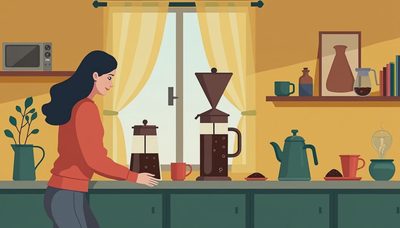
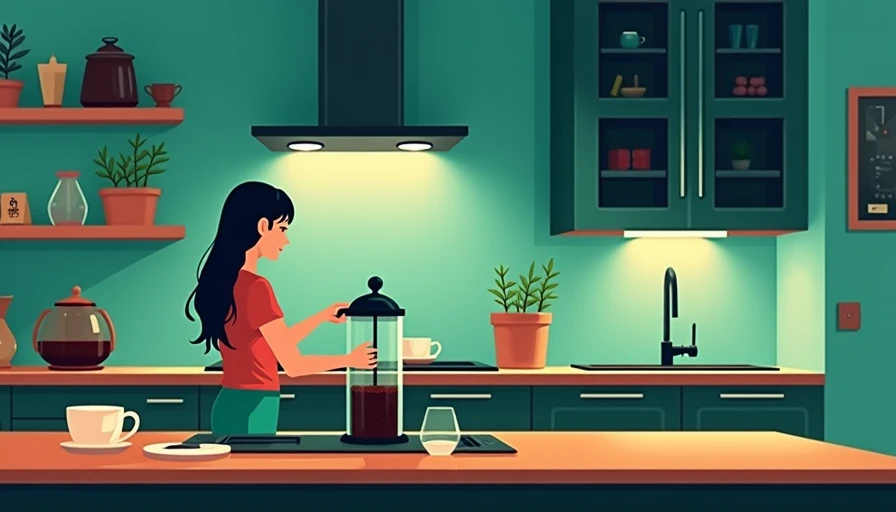
Heat water until it is very hot but not violently boiling. Pour it over the grounds, making sure everything gets wet. Stir once, place the lid on top, and let the coffee steep for about four minutes. Press the plunger down slowly and steadily, then pour the coffee into your mug or a separate carafe.
The most important step is pressing gently. If the screen meets strong resistance, the grounds are probably too fine or you added too much coffee. Forcing it can send hot coffee over the rim. I learned this the messy way on a Monday morning, when a quick push splashed the counter and left grit in the first cup.
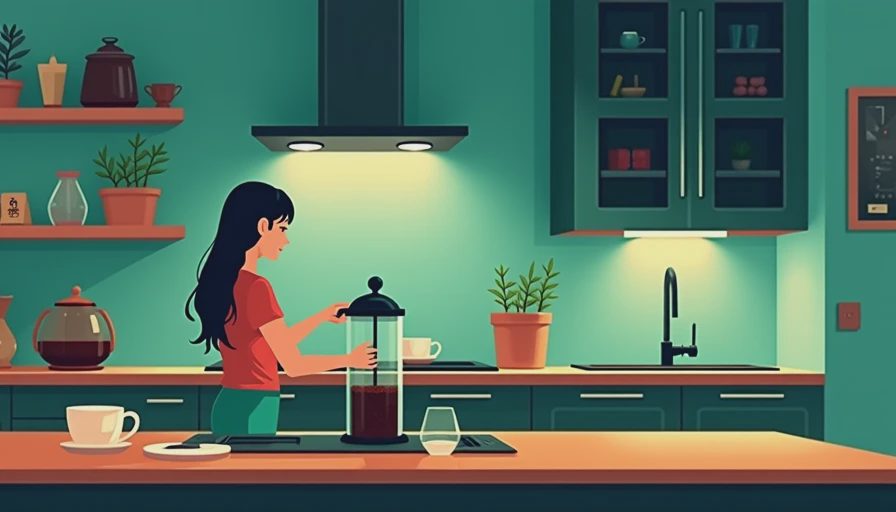
What is a French press coffee supposed to taste like?
French press coffee usually has more body than coffee made with a standard paper filter. You may notice chocolate, nutty, caramel, or earthy notes depending on the beans, but you do not need expensive specialty coffee to use the method. A medium roast from Costco, Trader Joe’s, or a local grocery store can work well if it tastes good to you.
The grind matters more than the label on the bag. Pre-ground coffee labeled for drip machines is often finer than ideal, but it can still work if you shorten the steep time or press gently. For the best texture, ask a grocery store coffee counter to grind the beans coarse, or use a basic burr grinder at home. Blade grinders are cheaper, but they produce a mix of powder and large pieces, which can make the cup both bitter and weak.
If your coffee tastes bitter, use cooler water, a shorter steep, or a little less coffee. If it tastes thin or sour, try a longer steep or more coffee. These adjustments cost nothing and are more useful than immediately buying a new brewer.
Is a French press worth the money?
For many households, yes. A French press has a low purchase price, takes up little counter space, and does not require disposable paper filters or coffee pods. At home, a 12-ounce bag of $12 coffee can produce approximately 20 to 24 servings, putting the coffee portion near 50 to 60 cents per cup. Add a splash of milk or a teaspoon of syrup, and the drink can still cost well under $1.
A café coffee often costs $4 to $6 before add-ons. If you replace two café purchases each week, a $25 French press could pay for itself in a few weeks. That does not mean every morning should become a coffee project. The real benefit is flexibility: make one strong black cup, split it between two mugs, or brew enough for an iced coffee later.
A French press is less attractive if you need coffee immediately after waking up or dislike washing dishes. It requires a steeping period, and the wet grounds need to go into the trash or compost rather than the sink. Used grounds can contribute to clogs, especially in older plumbing.

French press versus other coffee makers
Compared with a pod machine, a French press creates less packaging waste and usually costs less per serving, but it is slower and requires ground coffee. Compared with a drip machine, it takes less counter space and can make a smaller batch, but it does not keep coffee hot as long unless you transfer it to an insulated carafe.
Compared with cold brew, it is much faster. Cold brew needs many hours of steeping, while a French press can be ready during a five-minute morning routine. Compared with a pour-over brewer, it is more forgiving because you do not need to control a steady stream of water. The trade-off is a heavier cup with more sediment.
For a two-person household, the difference can be useful. I like black coffee with a strong, uncomplicated flavor, while Jamie usually adds milk and vanilla syrup. One batch lets us customize our mugs after brewing instead of making separate drinks. Good enough is the point here—and this is more than good enough for an ordinary workday.
How to buy and use one without overthinking it
If you are still asking what is a french press and which one to buy, start with a 20- to 34-ounce model made from glass or stainless steel. Glass is affordable and lets you watch the brew, while stainless steel is tougher and holds heat longer. Look for a plunger that moves smoothly and a replacement screen that is easy to find.
Use this simple first-batch checklist:
- Add coarse coffee to the empty press.
- Pour in hot water and stir once.
- Steep for four minutes.
- Press slowly without forcing the screen.
- Pour all the coffee out so it does not continue brewing.
- Rinse the grounds from the filter and wash the carafe.
Do not leave coffee sitting on the grounds for half an hour. It will continue extracting and can become harsh. Do not rinse grounds down the drain, either. Those two shortcuts create most of the complaints I hear about this brewer.
Final take: is it right for your routine?
What is a French press in practical terms? It is a low-cost, low-counter-space way to make fuller coffee without a machine that needs electricity. It is best for someone who can spare five minutes, wants control over strength, and does not mind a quick cleanup.
I would skip the $100-plus model until you have used a basic one for several weeks. Buy decent coffee, grind it coarsely, and adjust the ratio before upgrading anything. I tried it, priced it, and found the shortcut: a $20 French press and supermarket beans can make a noticeably better home cup than a rushed pod, without turning breakfast into a hobby.