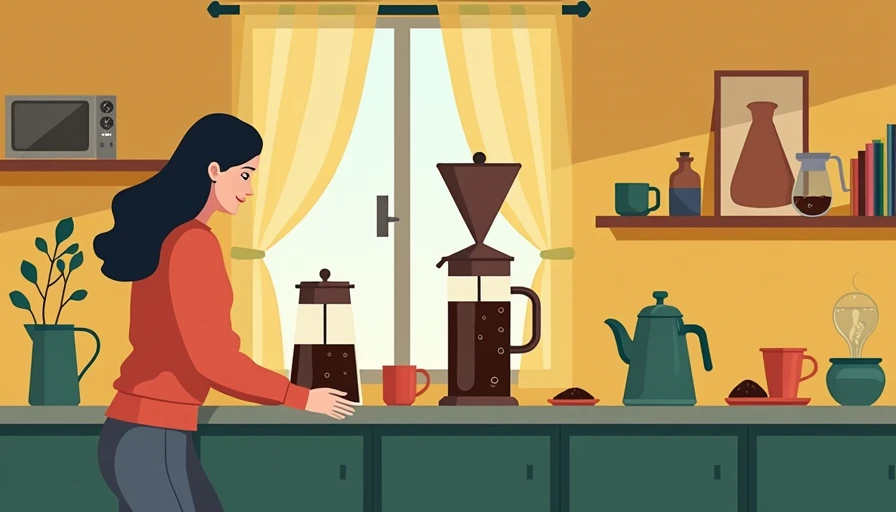
If you are deciding between french press vs pour over coffee, the short answer is simple: choose a french press for a fuller, easier cup, and choose pour over when you want a cleaner flavor and do not mind paying closer attention. I use both, but they solve different morning problems. The french press is my workday option when I want coffee with minimal fuss. Pour over is the better choice when I have ten extra minutes and a bag of beans worth tasting.
Neither method requires a $200 setup. A basic 34-ounce Bodum-style french press often costs about $20 to $35, while a Hario V60 dripper can cost roughly $10 to $30 before filters. Add a kettle, grinder, and coffee, and either method can become as simple or as expensive as you allow. Good enough is the point here, and both methods can make coffee that beats a rushed drive-through cup.
French press vs pour over coffee: the practical differences
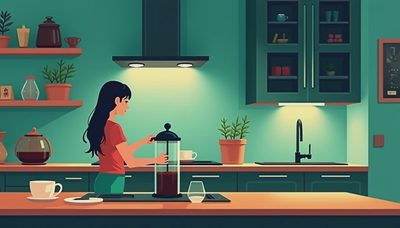
A french press steeps ground coffee in hot water for about four minutes. You add the grounds, pour in water, wait, and press a mesh plunger. The metal filter lets more oils and tiny particles into the mug, creating a heavier body. It tastes rounded and substantial, especially with medium or dark roast beans. The tradeoff is sediment at the bottom and slightly less clarity between individual flavors.
Pour over uses a paper filter and gravity. You place grounds in a cone, slowly pour hot water over them, and let the brewed coffee drip into a mug or carafe. The paper catches most oils and fine particles, so the result is lighter, brighter, and cleaner. Fruit, citrus, floral, and caramel notes tend to stand out more clearly. The method is not difficult, but pouring too quickly or unevenly can make the cup thin or sour.
For a typical 12-ounce serving, both methods use around 20 to 24 grams of coffee, depending on your preferred strength. A french press takes about five minutes from setup to first sip. Pour over takes six to eight minutes when you include heating water, rinsing the filter, and pouring in stages. The time difference is small, but the attention difference is real.
Flavor, texture, and everyday convenience
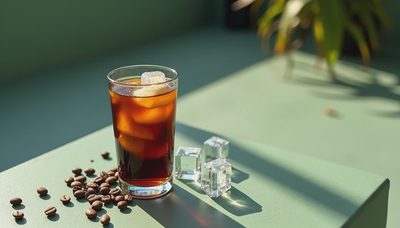
The biggest difference in french press vs pour over coffee is texture. French press coffee feels richer because the mesh filter does not remove the natural oils. That makes it a good match for someone who adds a splash of half-and-half, oat milk, or cinnamon. Jamie usually prefers this style over ice with a little vanilla syrup because the stronger body does not disappear under milk.
Pour over is my favorite for drinking black. A washed light or medium roast can taste crisp instead of muddy, and a fresh grind is easier to appreciate. However, pour over is less forgiving. If your grind is too coarse, the coffee can taste weak. If it is too fine, the filter may drain slowly and produce bitterness. A basic burr grinder helps, but you can still get a satisfying result with pre-ground coffee if you buy a small bag and use it promptly.
Cleanup also changes the decision. With a french press, dump the grounds into the trash or compost, rinse the plunger, and wash the glass. Do not push a thick pile of grounds down the sink. Pour over cleanup is faster after brewing because you lift out one paper filter and toss it, but you still need to rinse the cone and empty the carafe. In my kitchen, the total cleanup is nearly equal once the french press mesh gets oily.
Cost and equipment without the coffee-shop attitude
The cheapest setup is usually a french press, a kitchen scale, and a standard kettle. You can start for around $30 if you already have a grinder or buy coffee pre-ground. A V60 setup can be similarly affordable: approximately $15 for the dripper, $8 to $12 for filters, and whatever kettle you already own. A gooseneck kettle improves control, but it is not required for a drinkable cup.
This is where french press vs pour over coffee becomes a value question rather than a taste contest. A $30 press can last for years, while paper filters create a small ongoing cost. At roughly five to ten cents per filter, that is still inexpensive compared with a $4 to $6 cafe drink. If you brew five days a week, either setup can pay for itself quickly compared with buying coffee out, provided you actually use it.
I would not buy a premium Fellow kettle or an expensive grinder on day one. Start with the brewer, use a grocery-store bag from brands such as Peet's, Counter Culture, or a local roaster, and see whether you enjoy the routine. Better equipment improves consistency, but it does not turn an inconvenient morning into a pleasant one.
Which method works better for a busy morning?
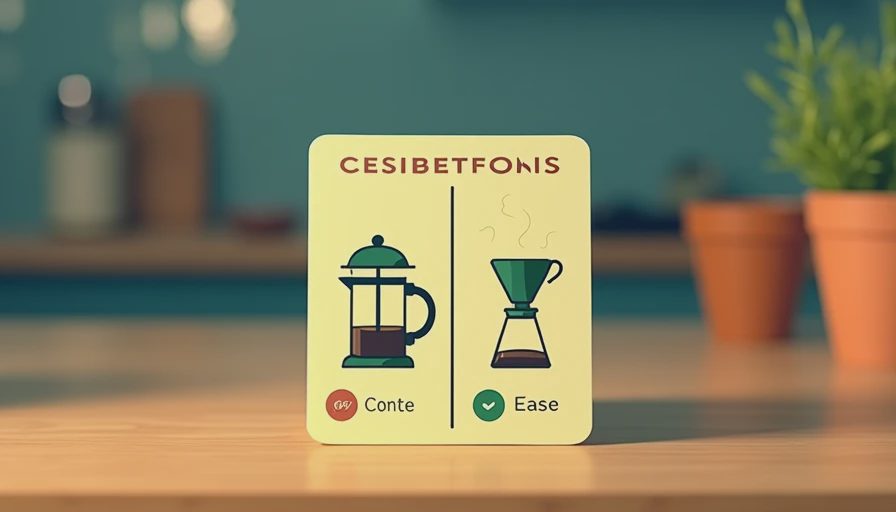
Choose the french press when you need a forgiving, hands-off brew. It is especially useful for two people because a 34-ounce press can make several mugs at once. You can measure the coffee, start the timer, and pack a lunch while it steeps. If the first attempt is slightly strong, add hot water. If it is too mild, use a little more coffee next time. That flexibility is why it remains my weekday winner.
Choose pour over when you make one cup, enjoy black coffee, and like a brighter flavor. It takes up very little counter space and produces less muddy coffee than a press. A ceramic V60, plastic Melitta cone, or Clever Dripper can all fit in a small apartment kitchen. The Melitta is especially approachable because its flatter bottom and slower flow make pouring less fussy.
When comparing french press vs pour over coffee for a shared kitchen, consider drink preferences too. One person can enjoy a bold press cup while another may prefer the cleaner taste of a filtered brew, but making both methods at once adds dishes and time. If everyone wants coffee at the same time, choose the method that matches the household's majority preference.
A simple starting recipe for each method
For french press, use 24 grams of medium-coarse coffee and 360 grams of hot water for two small mugs. Stir once after pouring, steep for four minutes, and press slowly. Pour the coffee into separate cups instead of leaving it in the press, where it will continue extracting and become bitter.
For pour over, use 20 grams of medium-fine coffee and 320 grams of hot water. Rinse the paper filter, add the grounds, pour about 50 grams of water to wet them, and wait 30 seconds. Continue pouring in small circles until you reach 320 grams. Aim for a total brew time near three minutes. If the coffee tastes sour, grind a little finer or pour more slowly. If it tastes bitter, grind coarser or shorten the brew.
You do not need to obsess over exact numbers. A scale costs about $15 and makes both methods easier, but measuring spoons and a consistent scoop can get you started. Change one variable at a time so you know what improved the cup.
My recommendation after using both
French press vs pour over coffee is not a battle with one permanent winner. For busy weekdays, shared kitchens, heavier coffee, and low attention, I recommend a french press. For one careful cup, bright flavors, easy cleanup, and limited storage space, I recommend pour over. If you are buying your first brewer, pick the method you will repeat at least four mornings a week.
I tried it, priced it, and tested the cleanup during ordinary workdays. The shortcut is to buy the inexpensive brewer first, use fresh coffee, and spend your money on beans before accessories. A french press is better for convenience, while pour over is better for clarity. Neither is automatically better enough to justify expensive gear. The best coffee method is the one that fits your actual morning and still sounds appealing when the alarm goes off.