If you searched for french press cold coffee, you probably want iced coffee without buying another appliance. Good news: a basic French press does the job surprisingly well. You need ground coffee, water, a refrigerator-safe container, and roughly five minutes of active work. The result is smoother and less sharp than a rushed hot brew poured over ice.
My recommendation is simple: use a French press for a small batch you will drink within a few days. It is not the fastest method, and it is not quite as clean as a dedicated cold-brew maker, but it costs almost nothing if the press is already in your cabinet. I tried it, priced it, and found the shortcut that makes the cleanup manageable.
What you need for French press cold brew
For one medium batch, use 1 cup of coarsely ground coffee and 4 cups of cold or room-temperature filtered water. This makes approximately 3 cups of ready-to-drink coffee after grounds and sediment are left behind. If you like a stronger concentrate, use 1 cup of coffee with 3 cups of water, then dilute each glass with water or milk.
A 32-ounce Bodum-style French press works well, although an inexpensive IKEA or grocery-store press is perfectly serviceable. You do not need a burr grinder. Coffee ground for a standard drip machine can work, but coarse grounds are easier to press and usually leave less grit. Medium or dark roast gives a heavier chocolate flavor; a light roast brings more citrus and brightness.
The basic equipment cost is about $10 to $35 if you need a press. At $12 to $16 per 12-ounce bag of coffee, the beans usually cost around 50 to 80 cents per serving. A café iced coffee that costs $4.50 can make the home version feel worthwhile after only a few batches.
How to make it overnight
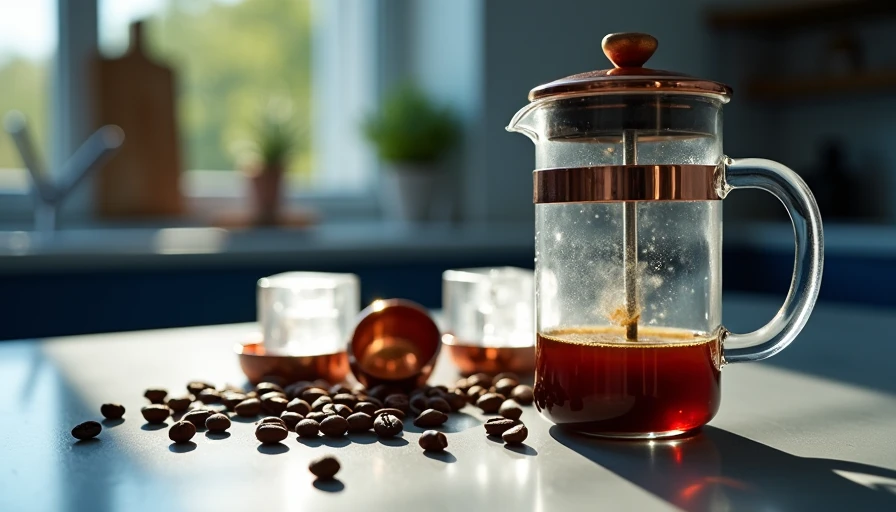
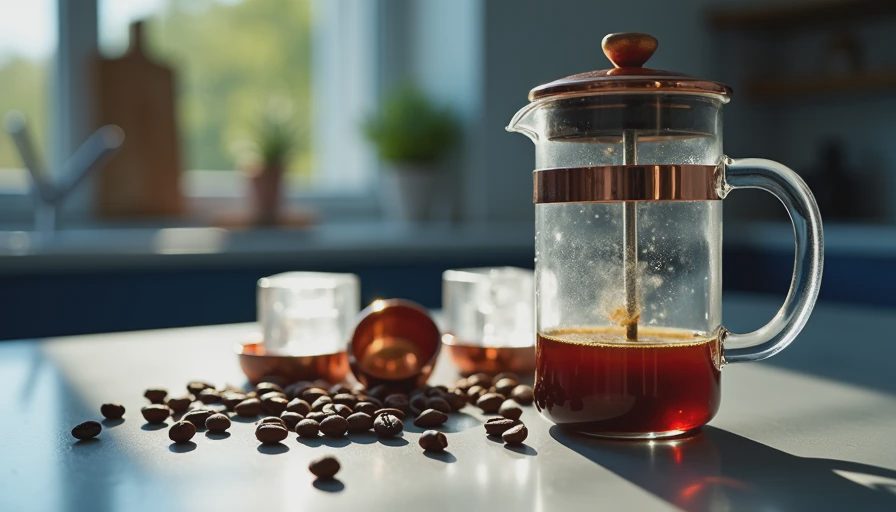
Start by adding the coffee to the empty press. Pour in the water slowly, making sure all the grounds become wet. Stir once with a spoon or chopstick, then place the lid on top without pushing the plunger down. Put the press in the refrigerator for 12 to 16 hours.
The first time I tried this, I left it for almost 24 hours because I forgot about it during a busy Saturday. It was drinkable, but bitter and muddy. Twelve hours gave me the better everyday result, especially with a medium roast from the supermarket. You can shorten the steep to 10 hours for a lighter cup, but I would not go much beyond 18 hours.
When the coffee is ready, press the plunger slowly. Do not force it. If the screen feels stuck, lift it slightly and continue with gentle pressure. Pour the coffee into a jar or bottle, leaving the last inch in the press where the finest sediment collects. For an even cleaner drink, strain it once through a paper coffee filter.
Getting the flavor and strength right
French press cold brew can taste intense because the brewing ratio is concentrated compared with regular iced coffee. Start with 1 cup coffee to 4 cups water, then adjust the finished drink rather than changing everything at once. Add equal parts brew and cold water for a lighter glass. Use three-quarters brew and one-quarter water for a stronger morning drink.
For a creamy café-style version, fill a glass with ice, add 6 ounces of brewed coffee, and stir in 2 to 3 ounces of milk. Jamie likes oat milk and a teaspoon of vanilla syrup, while I usually drink mine black. Whole milk softens bitterness, almond milk keeps the drink lighter, and half-and-half creates a richer treat without needing a frother.
If the coffee tastes sour, it probably needs more steeping time or a slightly finer grind. If it tastes bitter, dilute it first before throwing out the batch. If the glass is watery, make larger ice cubes or chill the coffee in the refrigerator before serving. These small changes matter more than buying a $100 cold-brew tower.
Cleanup, storage, and the easiest routine
Cleanup is the main drawback. Coffee grounds cling to the mesh screen, and rinsing them directly into the sink can create a slow drain. I dump the wet grounds into the trash or compost first, then rinse the press with warm water. A quick wash with dish soap takes about two minutes. Let the screen dry fully before reassembling it.
Store the finished coffee in a sealed glass jar in the refrigerator. I use a 1-quart wide-mouth jar because it is easier to pour from than the French press itself. The flavor is best during the first three or four days. If you add milk, syrup, or ice, do that only when serving so the stored coffee stays flexible for different drinks.
My Sunday routine is to start French press cold brew after dinner, press it before work on Monday, and transfer it to a jar. That gives me several quick morning drinks with almost no weekday effort. The active time is under ten minutes, although the overnight steep means this method requires planning.

French press cold brew versus other methods
A French press is the best choice when you already own one and want a small batch. It is cheaper than a dedicated brewer and takes less cabinet space. A Mason jar is even cheaper, but filtering the grounds can be messier. A drip coffee maker is faster, but hot coffee over ice often tastes thinner and more acidic.
A dedicated cold-brew pitcher, such as a Takeya-style infuser, costs roughly $20 to $30 and usually makes pouring and filtering easier. That convenience is real, but it is not essential. French press cold brew gives nearly the same practical result for a household that makes two or three glasses at a time.
For a busy weekday, hot coffee chilled over ice still wins on speed. For Sunday preparation, overnight French press coffee wins on cost and flavor. There is no need to turn this into a coffee hobby. Choose the method that fits the way you actually drink.
My shortcut for two different coffee orders
The most useful part of French press cold coffee is that one batch can serve two people differently. Pour one glass over ice and add oat milk plus vanilla syrup. For the second glass, dilute the same brew with cold water and drink it black. You do not need separate beans, separate brewing times, or a refrigerator full of bottles.
If one person wants less caffeine, make that glass smaller or dilute it further. If someone prefers a sweeter drink, add syrup after pouring rather than sweetening the entire batch. Caramel, maple syrup, cinnamon syrup, and a small splash of chocolate milk all work, but start with a teaspoon so the coffee remains noticeable.
The final answer is that french press cold brew is worth trying when you want inexpensive iced coffee and already have the equipment. It is not perfect: the drink can carry some sediment, and the press occupies refrigerator space overnight. Still, the cost is low, the process is repeatable, and the cleanup is manageable. Good enough is the point here—and this is more than good enough.