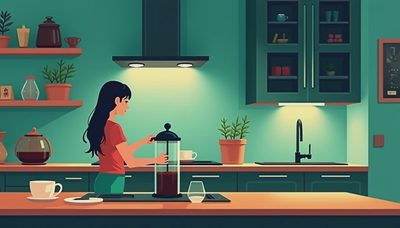
The best coffee for french press is usually not the most expensive bag on the shelf. After testing supermarket beans, local-roaster bags, different roast levels, and a few questionable morning shortcuts, I found that freshness, grind size, and flavor preference matter more than a fancy label. You can make a rich, café-style mug in about five minutes with a basic press, hot water, and coffee that costs roughly 50 to 90 cents per serving.
My short recommendation is a medium or medium-dark whole bean with chocolate, nutty, caramel, or toasted flavor notes. If you like brighter coffee, choose a medium-light roast, but avoid very oily dark beans unless you enjoy a smoky, bitter cup. The best coffee for french press should taste good without milk or sugar, because the brewing method brings out a heavier body than a drip machine.
What to look for when buying coffee
Start with the roast date if the bag provides one. Coffee is usually at its best within several weeks of roasting, although a sealed grocery bag can still make a pleasant cup. I would choose a recently roasted $14 bag over a premium $22 bag that has been sitting on a shelf for months. Once opened, store the beans in an airtight container away from heat and sunlight. The refrigerator is not necessary and can expose coffee to moisture and food odors.
Whole bean coffee gives you more control, but pre-ground coffee can work when speed matters. Look for a bag labeled coarse grind or French press grind, then inspect it when you get home. If it looks like powder, it is too fine. A coarse grind should resemble rough sea salt, with some smaller pieces mixed in. Fine grounds slip through the filter, produce sludge, and make pressing harder.
For everyday shopping, I have had reliable results from medium-roast options at Trader Joe's, Costco, and regular grocery stores. A Colombian or Central American blend often gives you cocoa and mild fruit without tasting sharp. A Brazilian-style blend tends to be round and nutty. You do not need to memorize processing methods or tasting wheels. Pick the flavor direction you already enjoy, then change one variable at a time.
Roast level and flavor: what actually changes
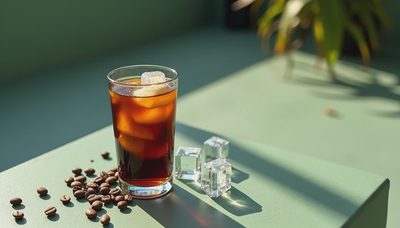
Medium roast is the safest starting point for the best coffee for french press because it balances sweetness, body, and acidity. It works black, with a splash of half-and-half, or over ice. Jamie prefers a medium-dark blend with brown sugar notes because it stays flavorful after adding milk. I prefer medium roast because the cup tastes cleaner and less smoky.
Light roast coffee can be excellent in a press, but it needs a little more attention. A slightly hotter brew and a longer steep can pull out more sweetness. If your light roast tastes sour, the water may be too cool, the grind may be too coarse, or the coffee may need another minute. Dark roast has the opposite problem: too much heat or time can create burnt, bitter flavors. Try a shorter steep before buying different beans.
Flavored coffee is a personal choice, not a brewing failure. Vanilla, hazelnut, or seasonal blends can be fun, especially for iced drinks. However, artificial flavoring can overwhelm the coffee and leave an oily film in the press. I would buy a small bag first rather than committing to a large warehouse-size package.
My simple French press recipe
For two regular mugs, use 30 grams of coffee and 500 grams, or milliliters, of water. That is close to a 1-to-16 ratio and gives a balanced starting point. If you do not own a scale, use about five level tablespoons of coarse-ground coffee, though spoon measurements are less consistent.
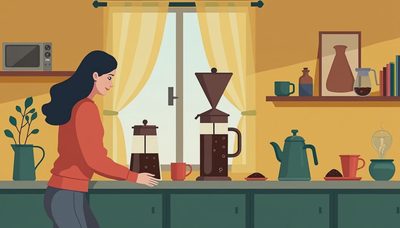
Heat the water until it is very hot but not aggressively boiling, around 200 degrees Fahrenheit. Add the grounds to the press, pour in the water, and stir once with a spoon. Put the lid on without plunging. Let it steep for four minutes, then press slowly. If the plunger fights you, the grind is probably too fine. Pour the coffee into mugs immediately instead of leaving it on the grounds.
The best coffee for french press will still taste flat if the water is stale or heavily chlorinated. Filtered tap water is usually enough; bottled water is not required. I also rinse the press with hot water before brewing when the kitchen is cold. That small step keeps the brewing temperature steadier and takes less than 20 seconds.
Fixing the first bad cup
My first attempt with a dark grocery-store roast was harsh and muddy. I had used a blade grinder, ground the beans too fine, and left the coffee sitting in the press while I answered email. The fix was not a new brewer. I switched to a coarse setting, reduced the steep to four minutes, and poured everything out right away.
If the coffee tastes bitter, use a slightly cooler water temperature, a coarser grind, or a shorter brew. If it tastes weak, add more coffee before extending the steep dramatically. Sour coffee usually needs hotter water, a finer grind, or more contact time. Mud at the bottom is normal with a press, but excessive sediment points to a damaged filter or a grind that is too fine.
A burr grinder is helpful because it creates more even grounds, but it is not mandatory. A basic hand grinder can cost $25 to $45, while a dependable electric burr grinder often starts around $70. This is better, but it is not $100 better for everyone. If your current pre-ground coffee tastes acceptable and mornings are rushed, spend the money on fresher beans first.
Cost, cleanup, and the weekday shortcut
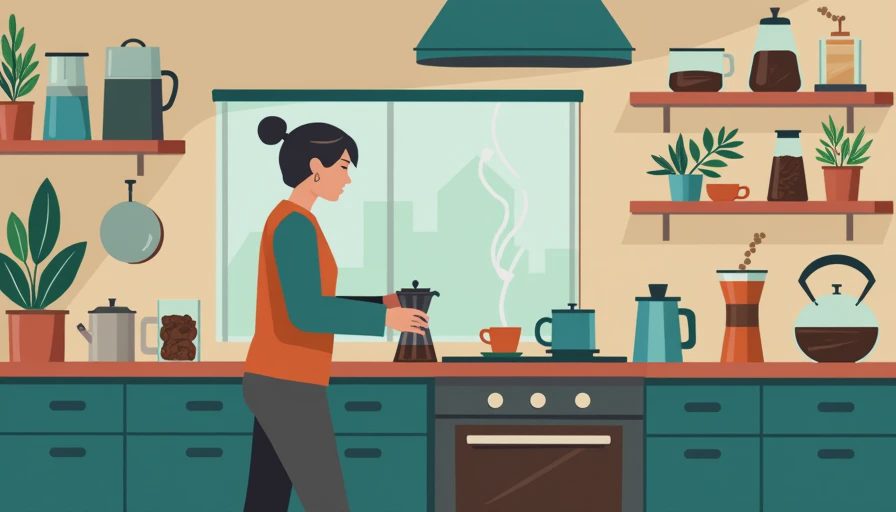
A 12-ounce bag contains roughly 20 to 24 servings when you brew 30 grams at a time. A $15 bag therefore costs about 63 to 75 cents per large mug. Add a few cents for water and the total is still usually under a dollar. A coffee-shop drip coffee can cost several dollars before extras, so the press can pay for itself quickly if you use it three or four mornings per week.
Cleanup takes about two minutes once the routine is familiar. Let the grounds cool, knock them into the trash or compost, rinse the filter and glass, and leave the pieces upside down to dry. Do not dump a thick layer of grounds down the sink; it can contribute to clogs. If you are making coffee for two people, the same press and cleanup effort covers both mugs.
For busy mornings, set the coffee and press on the counter the night before. Pre-measure the beans in a small container and fill the kettle with the amount of water you need. In the morning, you only have to grind, heat, pour, and wait. That preparation saves more time than chasing a complicated recipe.
My final buying advice
The best coffee for french press is a fresh medium roast, ground coarse, from a bag you can realistically finish within a few weeks. Choose Colombian, Brazilian, or balanced house blends if you want an easy starting point. Spend $12 to $18 before jumping to specialty bags, and buy whole bean only if grinding will not make you abandon the routine.
If you like milk and sweetener, select a medium-dark blend with chocolate or caramel notes. If you drink it black, try a medium roast with nutty or gently fruity notes. A French press does not need expensive equipment, perfect technique, or a kitchen full of accessories. It needs decent coffee, hot water, four minutes, and a clean pour.
I tried it, priced it, and kept the shortcut: buy a fresh bag, grind it coarse, use a simple ratio, and make one adjustment at a time. Good enough is the point here—and a carefully brewed grocery-store coffee is more than good enough for a workday.