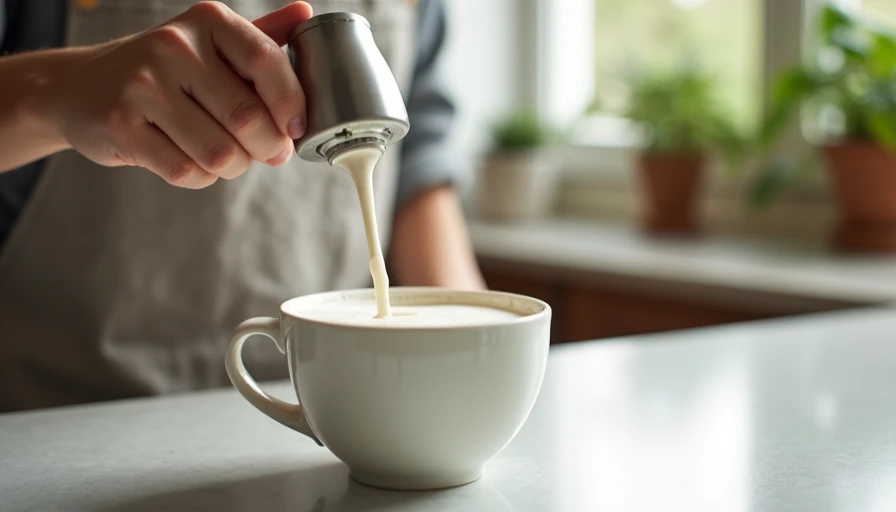
I bought the milk frother because it looked like the missing piece. The iced lattes were already good. The hot drinks were already easy. But every café version had that thin layer of foam that made the drink feel finished, and the $12 battery-powered handheld frother promised to deliver it without taking up counter space or requiring a new skill. I used it every day for thirty days. I tracked the time it added, the cleanup it created, the foam it actually produced, and whether either of us reached for it when we were running late.
At the end of the month I put it back in the drawer. I have not taken it out again for daily use.
I tried it. I priced it. Here’s the shortcut.
Why I Bought It in the First Place
The logic felt solid at the time. Jamie’s oat-milk latte tasted fine, but it looked flat compared with the café version. A little foam seemed like the cheapest way to close the gap. The handheld frother was inexpensive, small enough to live in a drawer, and required no extra electrical outlet. Reviews were full of people saying it “changed their morning coffee.” I wanted that change to be real.
It arrived. I put fresh batteries in it. I started the thirty-day test the next morning.
What the Frother Actually Did Well
On slow mornings it produced a decent microfoam with oat milk if I gave it twenty to thirty seconds and held the wand at the right depth. The drink looked nicer. Jamie noticed the texture the first few times and said it felt closer to the café version. With dairy milk the foam was even better. The device itself was quiet enough and did not leak batteries the way some cheap electronics do.
For the first week I used it every single morning. The ritual felt like an upgrade.
What It Did Not Do Well Enough
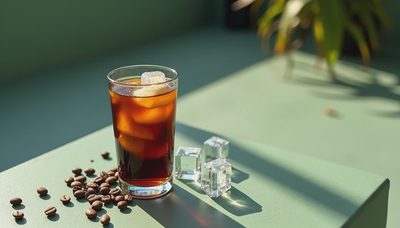
The foam collapsed quickly once ice entered the glass. By the time Jamie carried the drink to the table, most of the visual improvement was gone. The texture difference remained, but it was subtle. On mornings when we had less than seven minutes, the extra thirty seconds of frothing plus the extra twenty seconds of rinsing the wand started to feel like friction instead of improvement.
Cleanup was the bigger problem. The wand had to be rinsed immediately or the milk dried into a stubborn film. If I set it down for even a minute while I finished the second drink, I paid for it later with hot water and a sponge. Over thirty days that small extra step accumulated into real annoyance.
Battery life was acceptable but not invisible. I changed the batteries once during the test month. Not a crisis, but another small task that pure spoon-stirring never required.
The Thirty-Day Usage Pattern
Days 1–7: Used every morning. Felt like a worthwhile upgrade.
Days 8–14: Used most mornings. Started skipping when we were short on time.
Days 15–21: Used about half the mornings. Jamie began saying the non-frothed version was “fine.”
Days 22–30: Used four times total, mostly on weekends when the pace was slower.
By the end of the month the frother had moved from “daily tool” to “occasional nice-to-have.” That shift is the data that mattered most.
Cost Reality Including the Hidden Parts
Purchase price: $12.99
Batteries for the test month: $3.49
Time added per use: 30–45 seconds including rinse
Cleanup items: extra wand rinsing, occasional sponge work
The money is low. The friction is not zero. When I calculated the cost per actual use across the month, the frother was cheap. When I calculated the cost in morning patience, it was more expensive than the receipt showed. That second cost is the one that decided its fate.
Comparison to the No-Frother Version
The same iced latte without frothing still costs about $0.87 and takes about four minutes. The frothed version costs the same in ingredients and takes closer to five minutes with a higher chance of leaving a sticky wand in the sink. Side-by-side, Jamie preferred the frothed texture when both were available. When only the non-frothed version was available, the preference disappeared within two sips.
That is the practical test that matters in this kitchen. If the upgrade is only noticeable in a deliberate comparison and disappears under real weekday conditions, it is not doing enough work to justify its presence.
What I Would Buy Instead (and What I Would Skip)
I would not buy another handheld battery frother for daily coffee. The performance-to-friction ratio is too low for our routine. If I ever decide foam is non-negotiable, I would look at a simple manual pump frother or a small electric unit that sits on the counter and rinses more cleanly. Even then I would test it for two weeks before calling it permanent.
I also will not claim that all frothers are useless. Some households make drinks where stable foam is central. Ours does not. The honest result of the test is narrower: this particular frother, in this particular kitchen, for these particular drinks, did not earn its keep.
How the Test Changed My Gadget Rule
I now apply a simple filter to every coffee-related purchase: does it make the weekday version better enough to justify the extra step when we are late? The frother failed that filter. The cold-brew jar, the basic syrup bottle, and the ordinary measuring spoon all pass it. The difference is not price. The difference is whether the tool removes friction or adds a new kind.
The frother added a small, repeated friction. That was enough to retire it.
Practical Advice If You Are Considering the Same Purchase
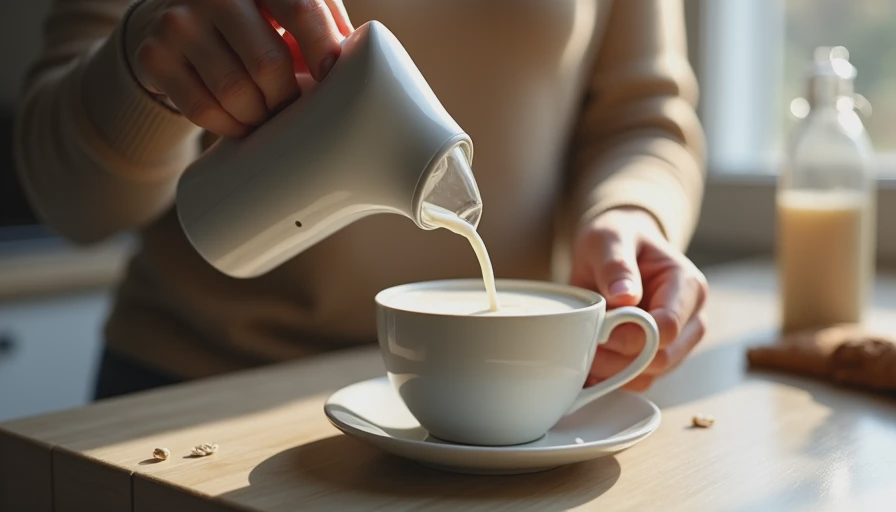
Buy it only if you already know you care about foam on ordinary mornings, not just on weekend mornings. Test it for at least two full work weeks, not two leisurely weekends. Pay attention to whether you still reach for it when the clock is tight. Notice the cleanup. Notice whether the other person in the house actually mentions the foam after the first few days.
If the answer to those questions is lukewarm, return it or accept that it will live in a drawer. There is no moral failure in deciding a $13 gadget is not worth the daily seconds it costs.
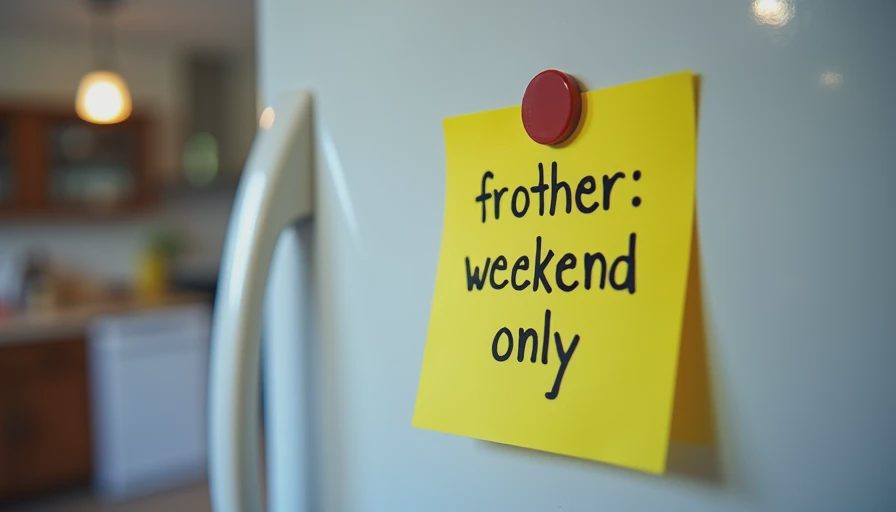
Write the result on a sticky note if you need a reminder. Mine says “frother: weekend only.” It is still accurate.
You have thirty days and a $13 gadget. Test it the same way. Good enough is the point here—and the version that skips the frother is more than good enough for our kitchen.