
Nitro cold brew caffeine is one of those coffee questions that sounds simple until you compare cans, coffee shop pours, and homemade concentrate. My short answer: nitro is not automatically more caffeinated than regular cold brew, but it is often served strong, smooth, and easy to drink quickly. That combination can make the effect feel bigger than expected.
I tried it, priced it, and tested it during ordinary workday mornings. The shortcut is to judge the caffeine by the coffee recipe and serving size, not by the nitrogen bubbles. Nitrogen changes texture and appearance. It does not magically create caffeine.
How much caffeine is in nitro cold brew?
The nitro cold brew caffeine level depends on the beans, coffee-to-water ratio, steeping time, dilution, and final pour size. An eight-ounce serving of cold brew commonly lands somewhere around 100 to 200 milligrams, although products and coffee shops can fall outside that range. A large serving made from concentrate can contain considerably more.
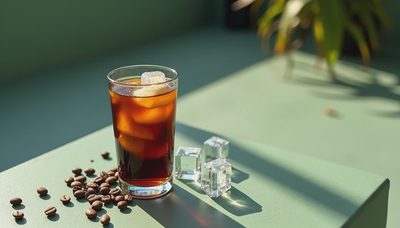
Nitro coffee is usually cold brew infused with nitrogen gas through a tap or widget. The gas creates a creamy mouthfeel and a foamy head without adding milk. Because the drink tastes less sharp and bitter, people sometimes finish it faster than a plain iced coffee. That is a drinking-speed issue, not a nitrogen issue.
For comparison, a typical eight-ounce brewed coffee often contains roughly 80 to 120 milligrams of caffeine, while an iced coffee can vary widely depending on how much brewed coffee and ice are used. A 12-ounce nitro can therefore feel stronger simply because it contains more coffee than a smaller hot cup.

The label is the best starting point for canned products. Some cans list caffeine directly, while others only provide serving information. If the can is 11 or 12 ounces and says it contains 180 milligrams, drinking the whole can is very different from splitting it over two hours. For tap drinks, ask the shop whether the serving is made from ready-to-drink cold brew or a concentrated base.
Why nitro cold brew caffeine can feel stronger
Smoothness is the main reason nitro can sneak up on you. Traditional iced coffee often has a noticeable roasted edge, so I naturally slow down or add milk. Nitro is softer, colder, and almost dessert-like even when it is unsweetened. That makes a big serving easy to finish before the caffeine has had time to register.
The first time I poured a large homemade nitro-style drink, I treated it like a small iced coffee. I drank it while answering email, then realized the bottle had contained a double-strength concentrate. The mistake was not the nitrogen-style texture; it was failing to dilute the coffee before pouring. The drink tasted excellent and gave me far more caffeine than I wanted before lunch.
Your personal response also matters. Caffeine sensitivity, sleep schedule, medication, pregnancy, and regular coffee habits can all affect how a serving feels. The FDA commonly cites 400 milligrams per day as an amount not generally associated with negative effects for most healthy adults, but that is not a personal target. If caffeine causes jitters, a racing heartbeat, or poor sleep, use a smaller serving and talk with a healthcare professional when needed.
How to control nitro cold brew caffeine at home
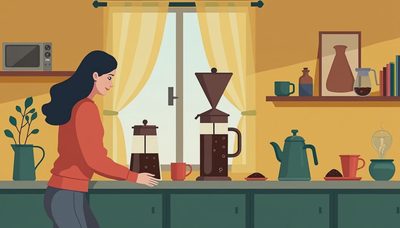
You do not need a nitrogen keg or expensive espresso equipment to make a smooth version. Brew a concentrate with one cup of coarsely ground coffee and four cups of cold water. Steep it in a covered jar for about 12 to 16 hours, strain it through a coffee filter, and refrigerate the result. Start with four ounces of concentrate plus four ounces of water and ice.
That eight-ounce test serving lets you adjust the strength before committing to a full bottle. If the drink tastes harsh, add water rather than sugar. If it tastes weak, use less dilution next time. A handheld milk frother can add a little foam, but it will not produce the same lasting nitrogen texture. I consider that step optional because the flavor matters more than the bubbles.
For a lower-caffeine morning, use half concentrate and half water, then add milk. For a stronger afternoon drink, keep the same total volume but use more concentrate. Write the ratio on masking tape attached to the jar. This sounds overly organized, but it prevents the Sunday problem of forgetting whether a batch was regular strength or concentrated.
Buying nitro at a store or coffee shop
When shopping, compare caffeine per can rather than comparing the words “nitro” and “cold brew.” Brands such as Starbucks, La Colombe, Califia Farms, and Stumptown sell different styles, sizes, and flavor profiles, but the caffeine amount can vary from one product to another. A sweetened can may also contain more calories without being more caffeinated.
At a coffee shop, specify the size and ask whether the drink is nitro on tap or a regular cold brew topped with foam. A small nitro can be a sensible choice if you want the texture but not a giant caffeine load. A large pour is not necessarily better value when it keeps you awake at midnight.
Price matters too. In my grocery-store comparison, a single canned serving often cost about $3 to $5, while homemade concentrate worked out closer to 50 cents to $1 per glass, depending on the beans. The homemade version takes roughly 10 minutes of active work, but the overnight steep and straining add cleanup. Store-bought wins for convenience; homemade wins for control.

My practical serving routine
On workdays, I pour four ounces of cold brew concentrate over a full glass of ice, add four ounces of water, and taste before adding milk. Jamie prefers a creamy, sweeter version, so I use the same base with two ounces of oat milk and a teaspoon of maple syrup. We get two different drinks without making two batches.
If I am drinking a canned nitro, I check the serving size first and avoid stacking it with an energy drink or another large coffee. I also stop earlier in the day when I notice that my sleep is getting lighter. The goal is a drink that helps a busy morning, not a beverage that requires recovery the next day.
The useful answer about nitro cold brew caffeine is simple: nitrogen affects body and texture, while the coffee quantity controls most of the caffeine. Choose a smaller pour, dilute homemade concentrate, and read the can before drinking it quickly. Good enough is the point here—and a controlled homemade glass is more than good enough.