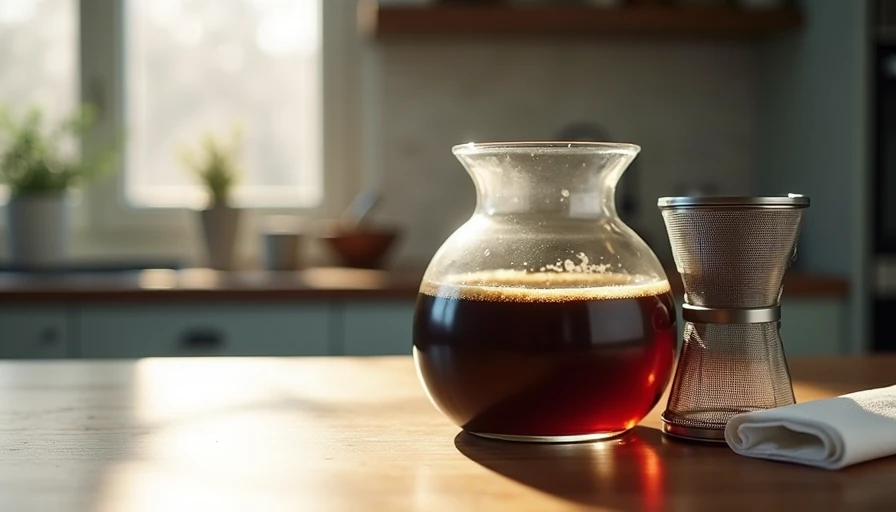
The short answer is yes. The longer answer is that most of the dedicated cold-brew makers I tested solved problems I did not actually have and created storage problems I did not want. For more than two years I have made cold-brew concentrate every Sunday with a glass jar, a fine-mesh strainer, and a paper towel or piece of cheesecloth. The results have been consistent enough that the specialized equipment stayed in the “maybe later” category and then quietly left the conversation.
I tried the dedicated options anyway. I wanted to know whether the extra cost and counter space delivered something the jar method was missing. The honest result is that they did not—at least not in a small kitchen where weekday speed and easy cleanup matter more than perfect clarity or hands-off branding.
I tried it. I priced it. Here’s the shortcut.
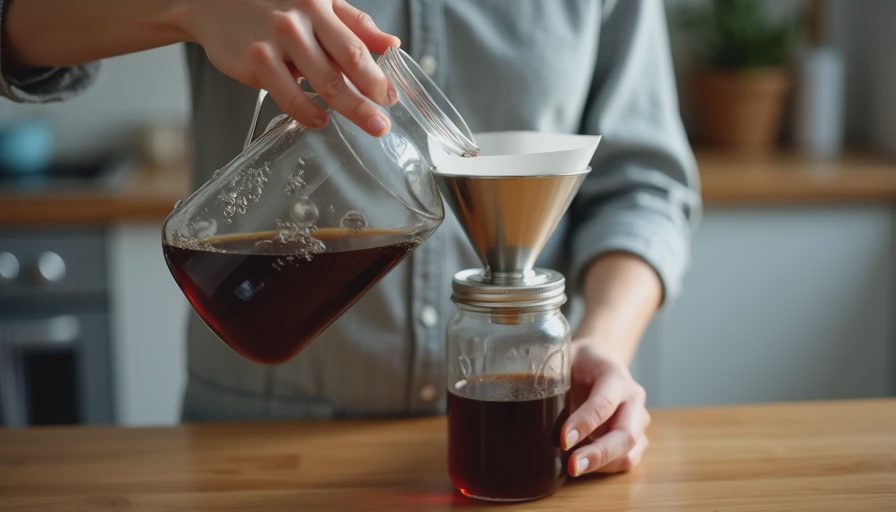
The Jar Method I Actually Use
Coarse-grind the coffee (2 cups grounds for our usual batch).
Add grounds to a clean large glass jar.
Pour in 8 cups room-temperature water (the 1:4 ratio by volume).
Stir until all grounds are wet.
Cover and steep 12–14 hours on the counter or in the fridge.
Strain through a fine-mesh strainer lined with a paper towel or cheesecloth into a second clean jar.
Press the grounds lightly, discard them, label the jar with the date, and refrigerate.
Active time is about ten minutes. Cleanup is two jars, one strainer, and whatever I used to stir. The concentrate tastes smooth, holds for five to seven days of good flavor, and supports both of our different weekday drinks without complaint.
What the Dedicated Brewers Promised
I tested three common styles over time: a hard-sided filter-basket system that sits inside a pitcher, a soft mesh-bag system, and a commercial-style slow-drip tower that was clearly designed for Instagram more than for apartments. All three claimed cleaner coffee, easier cleanup, and better consistency. Two of them also claimed that the jar method was somehow incomplete or messy by comparison.
What They Actually Delivered
Filter-basket pitcher
The grounds stayed contained, which looked neater during the steep. Straining was slightly faster. The pitcher itself, however, was tall and awkward in our fridge and required a full dedicated shelf. Cleanup involved washing the basket mesh, which trapped fine particles and needed more attention than a paper towel that simply gets thrown away. Flavor difference: none that either of us could detect in a weekday latte or black iced coffee.
Mesh-bag system
Convenient for immersion and easy to lift out. The bag needed thorough rinsing and occasional deep cleaning to avoid off flavors. It also held less coffee than our usual batch size, so I had to brew more often or accept a smaller yield. Flavor difference: again none that mattered once milk or ice entered the glass.
Slow-drip tower
Visually impressive and completely impractical for our space and schedule. It took longer, occupied permanent counter real estate, and produced a concentrate that tasted excellent but not excellent enough to justify the footprint. It left the house after two weeks.
The Real Comparison That Mattered
I ran the jar method and the filter-basket method side by side for two consecutive weeks using the same beans, the same ratio, and the same steep time. Jamie and I tasted both concentrates black over ice and in the usual iced-latte format. Neither of us could reliably tell which glass came from which method once the drinks were prepared the way we actually consume them. The only consistent differences were storage inconvenience and cleanup time—both of which favored the jar.
That test decided the question for this kitchen. If the specialized equipment does not improve the weekday experience enough to justify its presence, it does not stay.
Cost and Space Reality
Jar method equipment cost: $0 beyond what most kitchens already own (or a few dollars for a basic mesh strainer if you need one).
Dedicated brewer cost: $20–$40 for the simple systems, far more for the tower styles.
Fridge space: the jar fits on a normal shelf. Most dedicated pitchers demand vertical clearance we do not have.
Cleanup time: paper towel and strainer versus reusable mesh that needs ongoing maintenance.
The jar method wins on every practical metric that affects a normal work week.
When a Dedicated Brewer Might Make Sense
If you brew very large batches, hate any form of straining, or have permanent counter and fridge space you are willing to assign to one device, a simple filter-basket system can be pleasant. If you enjoy the ritual and the equipment itself makes the process more likely to happen, that is a valid reason. In our case the jar method was already happening consistently. Adding equipment did not increase consistency; it only increased the number of things that needed places to live.
Common Objections and Direct Answers
“The jar method is messy.”
It can be if you use a fine grind or try to pour without a strainer. Coarse grind and a lined mesh strainer keep it contained.
“The coffee isn’t as clean.”
In side-by-side weekday drinks we could not tell the difference. Perfect clarity is not the same thing as better taste in milk or over ice.
“You need special filters.”
A paper towel or a piece of cheesecloth works. I have also used a standard paper coffee filter in a pinch; it is slower but acceptable.
“It’s not real cold brew without the right gear.”
The coffee does not care what vessel it steeps in. The ratio, grind, time, and water temperature matter. The branding on the container does not.
How This Fits the Larger Sunday System
The entire point of the Sunday cold-brew habit is to move the work to a low-pressure time so the weekday mornings stay simple. Any equipment that complicates storage or cleanup works against that goal. The jar method supports the goal directly. It uses space we already have, costs nothing extra, and produces concentrate that both of us continue to drink through the week.
I still keep an open mind. If a piece of equipment appears that meaningfully reduces time or improves the drinks we actually make, I will test it. So far nothing has cleared that bar.
Practical Advice If You Are Deciding Right Now
Start with a clean jar and a basic strainer. Make one batch at the 1:4 ratio with a coarse grind. Taste it on Monday in the drinks you actually consume. If the result is good enough to repeat, you already have a working system. Only then consider whether specialized equipment solves a problem you are still having.
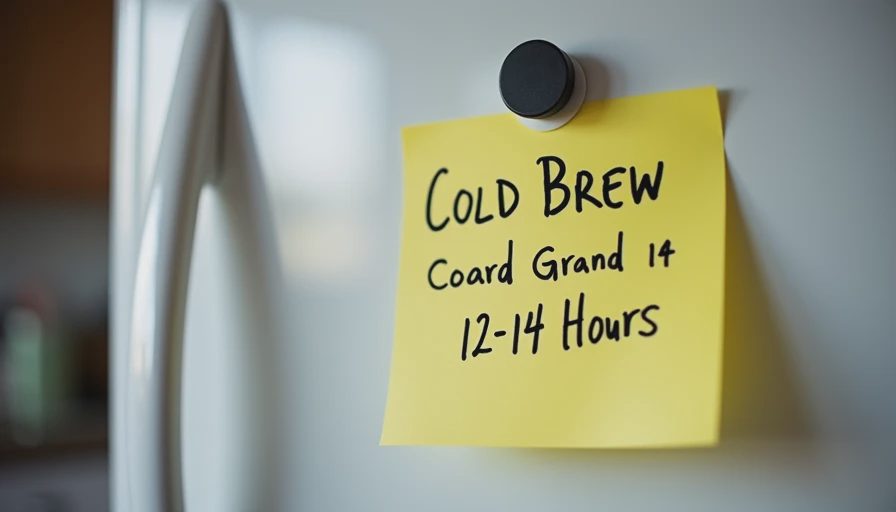
Write the method on a sticky note if you want a reminder. Mine is short: coarse grind, 1:4, 12–14 hours, strain, label, fridge. The note has outlasted every piece of dedicated equipment I tested.
You have a jar and a Sunday night. Make the concentrate without the extra gear. Good enough is the point here—and the jar method is more than good enough.