If you are comparing aeropress vs french press, you probably want a better cup without adding a complicated machine to your counter. I tested both with the same medium-roast coffee, filtered water, and a normal weekday schedule. My short answer: choose the AeroPress for speed, a cleaner cup, and easy one-person brewing. Choose the French press if you want multiple mugs and a fuller, heavier coffee. Neither requires barista skills, and both can stay under $50.
The quick answer for busy mornings
The AeroPress is the practical winner when you make one cup before work. Brewing takes about two to three minutes, and cleanup is nearly instant. You add coffee and water, stir, press, and rinse the small chamber. An original AeroPress or AeroPress Go typically costs around $30 to $50, depending on the model and sales.
A French press is better for two or more people. A basic eight-cup press often costs $20 to $40 and makes roughly 27 to 34 ounces, although serving sizes vary. The tradeoff is a four-minute steep, a little more waiting, and a messy filter full of wet grounds. If you and a partner want coffee at the same time, the French press saves repeated batches.
For my kitchen, the deciding question was not which cup tasted more sophisticated. It was whether I wanted one quick mug or a shared pot. That is the useful shortcut in aeropress vs french press: match the brewer to the morning you actually have.
Taste, strength, and texture
AeroPress coffee tastes smooth and relatively clean because the paper filter removes much of the sediment and coffee oils. It can resemble a concentrated drip coffee, especially when you use a medium grind and dilute the brew with extra water. The flavor is easy to adjust: use more coffee for strength, a finer grind for intensity, or a longer steep for a richer cup.
French press coffee has more body. Its metal mesh filter allows oils and tiny particles into the mug, creating a heavier texture and a flavor that can feel bolder even when the coffee-to-water ratio is similar. Some people love that round, rich quality. Others find the sediment distracting, especially in the final sip.
Neither method automatically makes better coffee. Fresh beans, decent water, and a sensible grind matter more than internet arguments. I tried a grocery-store medium roast in both brewers. The AeroPress highlighted caramel and toasted-nut notes, while the French press tasted deeper but slightly muddier. That difference is real, but it is a preference, not a ranking.
Time and cleanup comparison
For a workday, the AeroPress is hard to beat. My basic routine is 15 grams of coffee, about 8 ounces of hot water, a 60-second steep, and a slow press. Add grinding and heating time, and the entire process takes about five minutes. The used puck and paper filter pop into the trash or compost, and the brewer rinses clean under the faucet.
The French press needs about six to eight minutes from start to finish. You add grounds, pour water, stir, wait four minutes, and press slowly. The cleanup takes longer because grounds cling to the mesh plunger and settle at the bottom. Do not send a large pile down the sink; scoop it into the trash or compost first. A quick rinse is fine, but a deeper wash every few brews prevents stale oil buildup.
This is where aeropress vs french press becomes a lifestyle decision. If you hate dishes or often leave the house in ten minutes, the AeroPress is less annoying. If cleanup is a small price for a full pot, the French press will not feel like extra work.
Cost, accessories, and counter space
Both brewers are affordable, but the real cost includes filters, coffee, and accessories. AeroPress paper filters are inexpensive, and one pack lasts a long time for a single-cup drinker. You can use a kitchen scale and burr grinder for more consistency, but neither is required. A tablespoon measure and a basic blade grinder will get you started, even if the grind is less even.
A French press does not need disposable filters, which can reduce recurring supplies. It does benefit from a coarse grind, and a cheap grinder can produce too many fine particles. If you buy pre-ground coffee, select a coarse setting or a bag labeled for French press. The glass models also need more storage space, while an AeroPress can fit in a drawer.
My starter setup for either method would stay below $60 if you already own a kettle. If not, a simple electric kettle may add $20 to $35. There is no reason to buy a $150 precision kettle before you know you enjoy the method. In aeropress vs french press, the cheaper setup is the one you will use every morning.
A simple recipe for each brewer
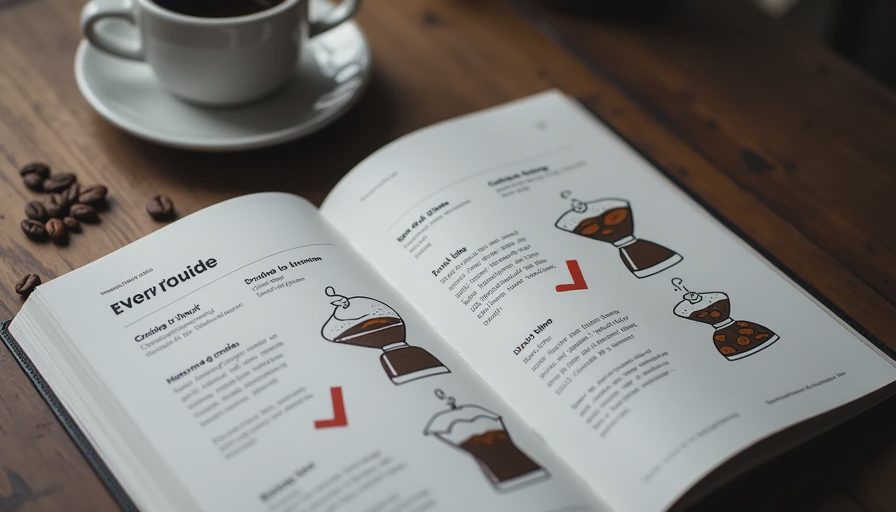
For AeroPress coffee, start with 15 grams of medium-fine coffee and 8 ounces of water just off the boil. Place the paper filter in the cap, rinse it if you want to reduce paper flavor, and add the grounds. Pour in enough water to wet them, stir briefly, then fill the chamber. After one minute, attach the cap, flip carefully over a mug, and press for 20 to 30 seconds. Add hot water until the cup tastes right.
For a French press, use about 60 grams of coarse coffee per liter of water, or roughly 30 grams for a 16-ounce press. Add the grounds, pour in hot water, stir once, and place the lid on top without pressing. Wait four minutes, press slowly, and pour the coffee into mugs or a carafe. Leaving coffee on the grounds makes the flavor more bitter as it sits.
A common failed attempt in my kitchen was using a fine grind in the French press. The plunger resisted, and the cup became cloudy. Switching to coarse grounds fixed both problems. With the AeroPress, pressing too hard created a bitter, over-extracted cup, so a gentle, steady push worked better.
Which one should you buy?
Choose an AeroPress if you usually drink one cup, want low cleanup, enjoy experimenting with hot or iced coffee, or have limited counter space. It is also a good travel option because the Go model packs into a small case. The flavor is clean, the workflow is forgiving, and replacement filters are easy to find online and in many kitchen stores.
Choose a French press if you regularly serve two people, prefer rich and full-bodied coffee, or want to brew a whole pot without making several batches. Look for a sturdy frame, a plunger that moves smoothly, and a glass or stainless-steel body that suits your storage space. A stainless model holds heat longer, while glass lets you see how much coffee remains.
For households with different preferences, an AeroPress can actually be the flexible choice. I can make a concentrated black coffee for myself, while Jamie adds hot water, milk, or ice to create a softer drink. A French press is more convenient for volume, but everyone gets the same base brew.
Final recommendation
The best answer in aeropress vs french press depends on your serving size and tolerance for cleanup. For one busy American coffee drinker, I would buy the AeroPress first. It is fast, compact, affordable, and consistent enough for daily use. For a couple sharing a morning pot, I would choose the French press and accept the extra rinse.
I tried it. I priced it. Here is the shortcut: do not spend more on equipment to solve a problem you do not have. Buy the brewer that fits your actual routine, use decent fresh coffee, and adjust one variable at a time. Good enough is the point here—and both methods can make a much better home cup than an expensive café run every day.