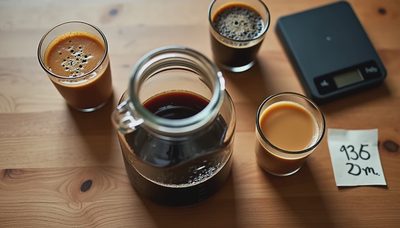

Our kitchen is small. The counter has maybe two usable feet of open space once the dish rack and the toaster are accounted for. The sink is single-basin. The fridge door is the only reliable storage for everyday add-ins. In that space we still make two different coffee drinks every workday morning without turning the room into a disaster zone or making one person wait while the other finishes a complicated process.
The system is deliberate. It is not elegant. It is the result of repeated small adjustments until the morning coffee routine stopped expanding to fill every available surface.
I tried it. I priced it. Here’s the shortcut.

The Core Constraint We Designed Around
Two people. Two different temperature and sweetness preferences. One small kitchen. Under ten minutes. Minimal dishes. No one blocked from the sink or the fridge while the other person is mid-recipe. Those were the non-negotiables. Everything else—perfect foam, exact café replication, multiple gadgets—had to justify itself against those constraints or leave.
The cold-brew concentrate made the biggest difference. Because the extraction work happens on Sunday, the weekday process is only assembly. Assembly can be staged so that both drinks occupy the same small footprint at the same time.
The Actual Morning Sequence
I open the fridge once and take out the concentrate jar, the oat milk, and the syrup bottle.
Jamie grabs two glasses or one glass and one mug, depending on the temperature split that day.
Ice goes into the cold drink first. Concentrate is poured into both vessels.
While I finish the iced drink (milk, syrup, quick stir), Jamie heats milk for the hot drink if needed.
Hot milk and syrup go into the second drink.
Everything returns to the fridge in one trip.
Two spoons go into the sink. Done.
The entire sequence keeps both of us in the same small triangle of counter, fridge, and sink without either person needing the other to move. Total elapsed time is usually six to eight minutes. The counter stays mostly clear because we never pull out equipment that has to live somewhere else mid-process.
What We Deliberately Do Not Do
We do not brew fresh coffee on weekday mornings unless the concentrate jar is empty. Fresh brewing multiplies dishes and time and forces a queue at the kettle.
We do not use the stovetop for milk unless the microwave is occupied. A small saucepan adds a burner, a handle sticking out, and an extra item to wash. The microwave is faster and keeps the heat contained.
We do not froth every day. The handheld frother is available, but it requires rinsing and creates one more object that needs a landing spot. Most mornings the texture from a good stir is enough.
We do not measure with a scale or a row of small pitchers. One liquid measuring cup lives in the dish rack if it was used the night before; otherwise we pour by eye after months of calibration. Precision is useful on Sunday. Speed is useful on Monday.
The Physical Layout That Makes It Possible
Concentrate jar: middle shelf of the fridge, easy to grab.
Oat milk and syrup: fridge door.
Ice: freezer compartment that opens without rearranging everything.
Glasses and mugs: cabinet directly above the small open counter section.
Spoons: drawer to the right of the sink.
Trash and compost: one step away so grounds or empty packets never sit on the counter.
Nothing required for the morning drinks lives behind something else or in a different room. That sounds obvious until you watch how many kitchens hide the coffee tools behind the breakfast cereal or the random water bottles.
How Two Preferences Share the Same Small Space
Jamie’s drink is usually the iced latte or the hot latte with oat milk and syrup. Mine is usually black iced coffee or a hot concentrate-and-water version. Because both start from the same jar, we never need two brewing setups. The only divergence is the add-ins and the temperature of the diluting liquid. Those divergences happen in the same two square feet of counter.
If one of us is running later than the other, the faster person can finish both drinks and leave the second one on the counter. The system does not require simultaneous presence. It only requires that the ingredients stay findable and the process stay short.
The Cleanup Rule That Protects the Kitchen
Everything that touches coffee or milk gets rinsed or placed directly in the sink before either of us leaves the kitchen. The concentrate jar goes back to the fridge with its lid on. No “I’ll deal with it later” items are allowed to claim counter space. That single rule prevents the slow creep of sticky spoons and open cartons that used to make the next morning harder.
We also keep a small dish towel within reach specifically for the coffee routine. Milk drips and condensation stay contained instead of turning into a larger wipe-down later.
What Happened When We Tried to Expand the System
I once added a second syrup flavor and a different milk alternative because it felt like more choice would be better. The fridge door got crowded. Decision time increased. We went back to one syrup and one primary milk. Choice is useful until it starts costing seconds and shelf space.
I also tried keeping a dedicated “coffee tray” with all the tools. It looked organized and occupied the exact counter space we need for actual assembly. The tray left. The open space stayed.
Cost and Time Reality for a Small-Kitchen System
Both drinks together still cost under $1.30 in ingredients. Time stays under ten minutes even on slower mornings. The only equipment that has permanent status is the concentrate jar and the ordinary glasses and mugs we already owned. Everything else has to re-earn its place by not making the kitchen harder to use.
That standard is stricter than most product reviews apply. It is the only standard that works in a space this size.
Practical Advice If Your Kitchen Is Also Small
Stage the ingredients so that one fridge trip captures everything. Pour both concentrates before you start doctoring either drink. Heat milk only if the hot drink is actually happening that day. Return every item to its place before you leave the kitchen. Accept that the drinks will not look like café photography. Aim for two functional cups and a counter that is still usable afterward.
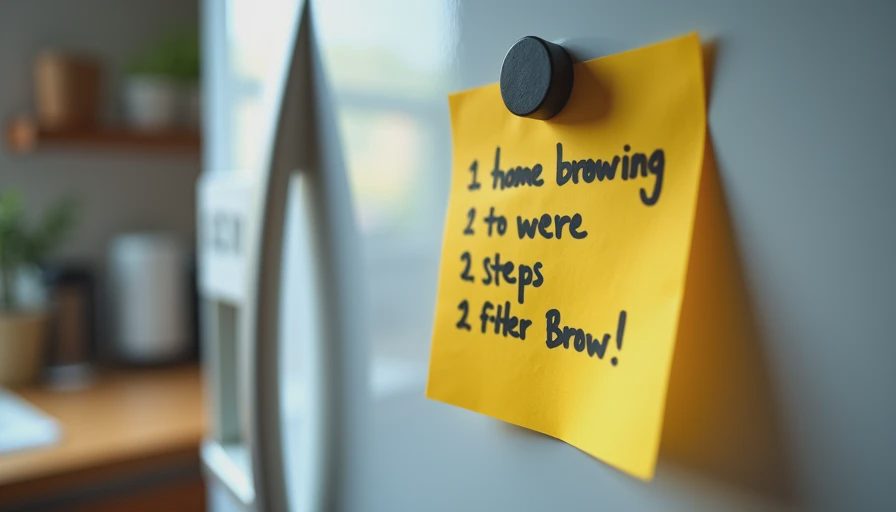
Write the sequence on a sticky note and put it on the fridge if the mornings are still chaotic. Ours is short: fridge once, pour both, finish one, finish the other, fridge again, spoons in sink. The note is not stylish. It is effective.
You have a small kitchen and two different coffee orders. Design the routine around the space you actually have. Good enough is the point here—and a clear counter at 7:25 a.m. is more than good enough.