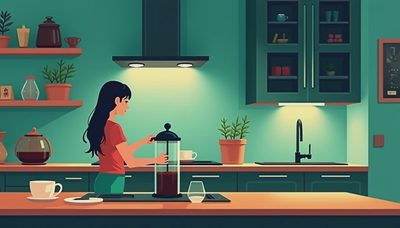

Coarse ground coffee for french press is the simplest way I know to make a full, café-style cup without buying a countertop machine. You need a French press, hot water, a timer, and coffee that looks more like rough sea salt than powder. The whole process takes about five minutes, and the cleanup is manageable even on a workday morning. I tried it, priced it, and adjusted the method around the mistakes that make French press coffee bitter, gritty, or strangely weak.
Why the grind size matters
A French press uses immersion brewing. The grounds sit directly in hot water before a metal mesh filter separates the coffee from the liquid. That filter is not designed to catch fine particles, so finely ground coffee can slip through and leave sludge at the bottom of your mug. Fine grounds also extract quickly, which often creates an over-extracted, harsh taste before you finish breakfast.
Coarse ground coffee for french press gives the water more room to move around the particles while slowing extraction. The result is usually a heavier body than drip coffee, with more noticeable texture and a rounder flavor. The grounds should be visibly chunky, similar to cracked pepper or coarse sand. If they look fluffy and powdery, the grinder is set too fine. If you can see many whole or barely cracked beans, the setting is too coarse and the cup may taste thin.
A grocery-store bag labeled French roast is not automatically French press coffee. Roast level describes how long the beans were roasted, while grind size describes how the beans were broken down. You can use light, medium, or dark roast beans in a press. The important part is buying whole beans and grinding them coarsely, or choosing a bag specifically labeled for French press brewing.

My reliable French press ratio
For one generous 12-ounce mug, I use 24 grams of coarse ground coffee for french press and 360 grams, or milliliters, of water. That is close to a 1:15 coffee-to-water ratio. You do not need a scale to begin: use about four level tablespoons of coffee and 12 ounces of water. A scale makes the result easier to repeat, but it is not a requirement.
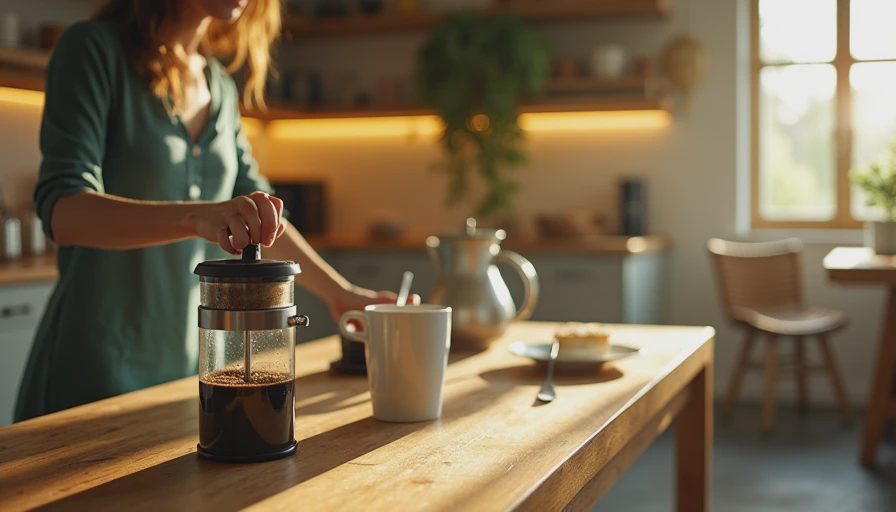
Heat the water until it is very hot but not aggressively boiling. If you use a kettle, stop just as the boil finishes and wait about 30 seconds. Add the coffee to the empty press, pour in enough water to wet all the grounds, and then add the rest slowly. Give the mixture one gentle stir with a spoon. Put the lid on without pressing the plunger, and start a four-minute timer.
At four minutes, press down slowly and steadily. Do not force the plunger if it feels stuck. A hard push can send hot coffee over the rim and disturb the compacted grounds. Pour the coffee into your mug right away instead of leaving it in the press, where it will continue extracting and become more bitter. This timing works well for a basic medium roast and gives me a balanced starting point.
What changed my results most
The biggest improvement was using fresh coffee, not expensive coffee. Beans from the supermarket can work well if the bag has a reasonably recent roast date and has been stored away from heat and sunlight. Once opened, I keep the bag sealed in a cabinet and use it within a few weeks. I do not refrigerate it because repeated temperature changes can introduce moisture and unwanted odors.
My second improvement was avoiding a blade grinder. A blade grinder chops unevenly, creating a mixture of dust and large pieces. That dust over-extracts while the larger pieces remain under-extracted, so the finished cup can taste both bitter and weak. A basic burr grinder gives a more consistent grind. You can find entry-level models around $30 to $60, but buying pre-ground coffee is perfectly reasonable if you do not want another appliance.
The third improvement was water temperature. Water that is too cool produces flat, sour coffee, while freshly boiling water can exaggerate bitterness in some darker roasts. I do not use a special thermometer. Waiting about half a minute after boiling is close enough for a convenient morning routine.
How I choose beans without overspending
For coarse ground coffee for french press, I usually start with a medium roast because it is forgiving. It has enough body for the press but does not hide every flavor under a smoky roast profile. A medium-dark roast works if you like chocolate, toasted nuts, and a heavier finish. Light roast can taste bright and fruity, though it may need a slightly longer steep or a finer coarse setting to avoid tasting thin.
The exact brand matters less than freshness and flavor preference. Store brands, Trader Joe's blends, Costco bags, and local roaster beans can all make a good cup. A $12 to $18 bag of coffee usually produces roughly 20 to 25 mugs at this ratio, depending on the bag size and serving strength. That puts the coffee cost near 60 to 90 cents per generous mug, before milk or syrup. A café coffee costing $4 to $6 can therefore be replaced with a home cup that takes about five minutes.
If one person wants black coffee and another wants a sweeter drink, brew the same base and customize after pouring. I take mine black, while Jamie usually adds a splash of oat milk and a teaspoon of maple syrup. There is no need to brew separate batches just because the finishing preferences differ.
Common mistakes and quick fixes
If the coffee tastes bitter, first check whether it sat in the press after brewing. Pouring it into a separate carafe or both mugs immediately often fixes more than changing the beans. If that does not help, shorten the steep to three and a half minutes or use slightly cooler water. Dark roast beans may also taste smoother with less coffee, such as 20 grams instead of 24.
If the cup tastes weak, confirm that you measured enough coffee. A large press filled with water but only a few spoonfuls of grounds will taste diluted. You can also steep for four and a half minutes or use a slightly finer coarse grind. Make one change at a time so you know which adjustment helped.
Grit at the bottom is normal with a metal-filter press, but excessive sediment usually means the grind is too fine. Let the finished coffee rest for 30 seconds before drinking, then leave the last tablespoon in the press. That small amount contains most of the settled particles.
Cleanup that takes less than two minutes
Do not rinse coffee grounds down the kitchen sink. They can collect in the drain and contribute to clogs. Instead, let the press cool briefly, add a little water, swirl, and pour the grounds into the trash or compost if your local program accepts them. Rinse the glass and plunger, then wash with dish soap when needed. I give the mesh filter a more careful scrub every few uses because old coffee oils can make fresh coffee taste stale.
A standard 32-ounce French press costs around $20 to $40 and can serve two mugs. You do not need a gooseneck kettle, a scale, or a special serving carafe to begin. Those tools can make brewing more precise, but they do not automatically make the coffee better. Start with the press you have, coarse ground coffee for french press, and a consistent four-minute routine.
My shortcut is simple: use 24 grams of fresh medium-roast coffee, 360 grams of hot water, one gentle stir, and an immediate pour at four minutes. If your first cup is not perfect, adjust one detail instead of replacing the equipment. Good enough is the point here—and this is more than good enough for a weekday morning.