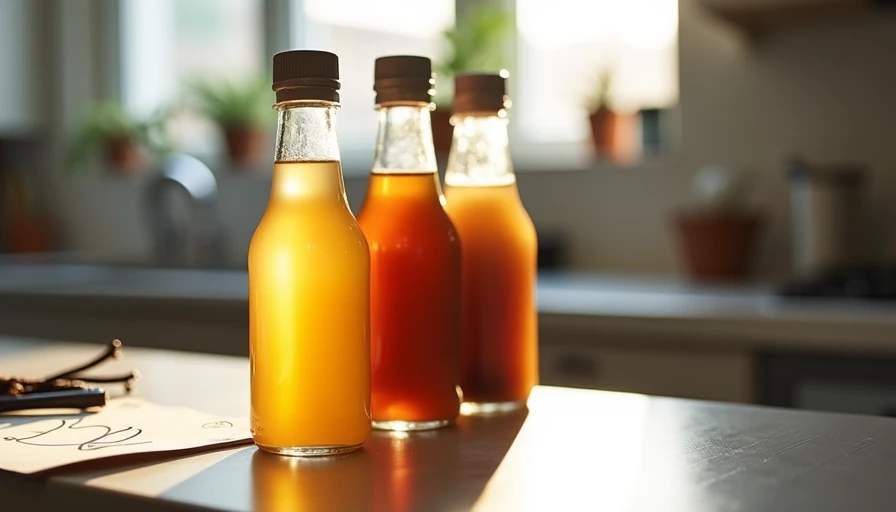
I used to treat coffee syrup as a small luxury that lived in the café, not in my kitchen. Then Jamie’s preference for a lightly sweet iced latte made the bottle of vanilla at the grocery store impossible to ignore. One bottle turned into three. Three bottles turned into a quiet experiment: which of these everyday syrups actually tastes good enough to keep buying, and what does each one cost when you measure by the drink instead of by the bottle?
I bought the three most common options available at our regular stores—Target, the neighborhood grocery, and the big-box aisle—and used each of them in the same iced latte recipe for a full week. Same cold-brew concentrate, same oat milk, same teaspoon measurement. I tracked flavor, aftertaste, how the sweetness held up over ice, and the real cost per serving.
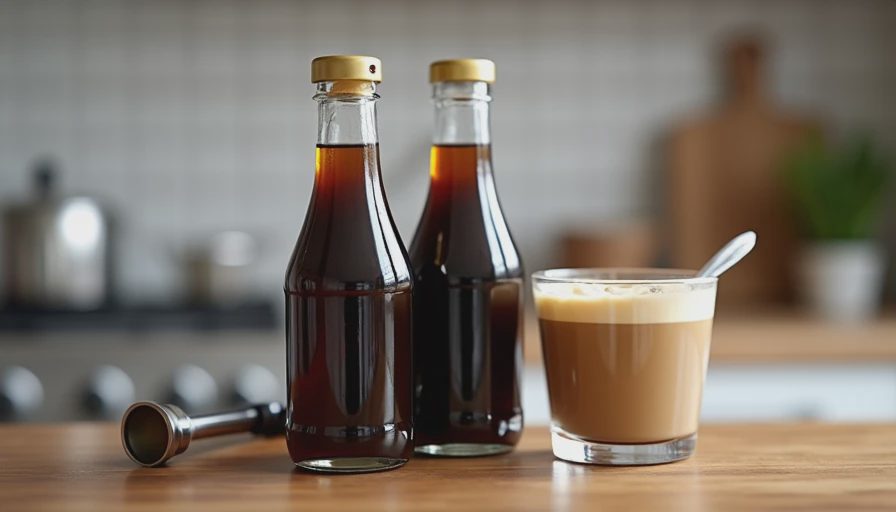
I tried it. I priced it. Here’s the shortcut.
The Three Syrups on the Counter
The basic store-brand vanilla syrup (12.7 oz bottle, $3.99)
The mid-shelf national brand vanilla syrup (12.5 oz bottle, $5.49)
The “premium” grocery-store vanilla syrup with the nicer label (12.7 oz bottle, $6.99)
All three were the standard vanilla flavor, not sugar-free, not seasonal, not anything that required a special order. I wanted the versions most people can actually grab while buying milk and eggs.
How I Tested Them
Every morning for three weeks I made Jamie’s usual iced latte: 3 ounces cold-brew concentrate, 6 ounces oat milk, 1 level teaspoon of syrup, ice. I rotated the syrup each week so the coffee and milk stayed constant. I tasted each drink black-coffee-style first (just concentrate and syrup over ice) and then in the full latte format. I also left a glass on the counter for twenty minutes to see how the sweetness held as the ice melted.
I did not score them like a professional tasting. I scored them like a person who has ten minutes before work and wants the drink to taste intentional instead of accidental.
Taste Results, No Marketing Language
Store-brand vanilla ($3.99)
Clean, straightforward vanilla. Slightly thinner sweetness than the others. No strange chemical aftertaste. In the full latte it disappeared politely into the oat milk and coffee. On its own with concentrate it tasted like vanilla without trying to be dessert. Jamie’s note: “This is fine. I would keep drinking it.” My note: “This is the one that does not get in the way.”
Mid-shelf national brand ($5.49)
Richer vanilla flavor, a little more body, slight cooked-sugar note that some people like and some people find heavy. In the latte it stood out more than the store brand. After the ice melted it still tasted sweet rather than watery. Jamie preferred this one for the first few days, then said it started to feel a little much for every single morning. My note: “Better than the store brand if you want the syrup to be noticeable. Not necessary if you just want a hint.”
Premium grocery-store vanilla ($6.99)
The most complex of the three. Clearer vanilla bean flavor, less one-note sweetness, slight floral edge. In the latte it tasted the closest to a café syrup. The problem appeared after repeated daily use: the complexity started to feel like effort. Jamie’s exact words after day five: “I can tell it’s nicer, but I don’t know if I care on a Tuesday.” My note: “This is the one I would buy for a weekend brunch drink. Not the one I want to measure every weekday.”
Cost Per Teaspoon and Cost Per Drink
I measured a level teaspoon as 5 ml / roughly 0.17 fluid ounces.
Store-brand
12.7 oz bottle ÷ 0.17 oz ≈ 75 servings
$3.99 ÷ 75 ≈ $0.053 per teaspoon
Mid-shelf national brand
12.5 oz bottle ÷ 0.17 oz ≈ 73 servings
$5.49 ÷ 73 ≈ $0.075 per teaspoon
Premium grocery-store
12.7 oz bottle ÷ 0.17 oz ≈ 75 servings
$6.99 ÷ 75 ≈ $0.093 per teaspoon
In the full iced latte the syrup is only one part of the cost, but the difference still shows up. Over a month of daily use the store-brand syrup costs about $1.60. The mid-shelf version costs about $2.25. The premium version costs about $2.80. The gaps are small in isolation and noticeable when you already track the rest of the drink.
The Winner for Daily Use
The store-brand syrup won the everyday test. It tasted good enough, cost the least, and never became the main character of the drink. The mid-shelf brand is the one I would grab if the store brand were out of stock. The premium bottle is the one I would buy for a special weekend drink or if I were making something where the syrup needed to stand alone.
That ranking matches the larger rule I use for almost everything in this kitchen: the best everyday ingredient is the one that disappears into the routine instead of demanding attention.
What Happened When I Tried to Prefer the Expensive One
I spent one full week forcing the premium syrup because the label looked nicer and the flavor was objectively more interesting. By Thursday the interesting flavor had become background noise. By Friday I was slightly annoyed at the extra fifty cents per bottle for a difference I could only taste when I concentrated. The experiment ended the way most of my “maybe nicer is better” experiments end: back to the cheaper option that still works.
Jamie noticed the same thing. Preference is real. Daily preference under time pressure is a narrower thing.
How the Syrup Fits the Larger Cost-Per-Cup Picture
The iced latte that uses this syrup still lands around $0.85–$0.90 total when the cold-brew concentrate and oat milk are included. The syrup itself is the smallest line item. That is useful information. It means upgrading or downgrading the syrup moves the needle less than changing the milk or the coffee. It also means there is no financial reason to skip the syrup if a little sweetness is what makes the homemade drink actually get finished.
Practical Advice If You Want to Run Your Own Comparison
Buy the three bottles you actually see on the shelf. Use the same base coffee and the same milk for every test. Measure the syrup for the first few days so the sweetness stays consistent. Then stop measuring and see which bottle you reach for without thinking. That unconscious reach is usually the real answer.
Write the cost per teaspoon on a sticky note and put it on the fridge if you like visible reminders. Mine are still there, slightly smudged, next to the cold-brew ratio note.
You do not need a professional tasting kit. You need a week of ordinary mornings and the willingness to notice which bottle makes the drink easier to repeat.
You have three bottles and a teaspoon. Test them the same way. Good enough is the point here—and the cheapest one that still tastes clean is more than good enough.