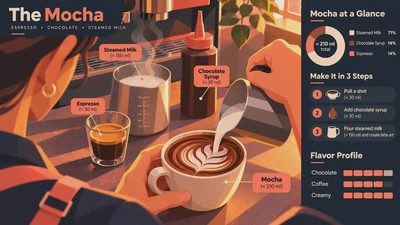
I used to think a decent mocha required either a café or a bottle of specialty chocolate sauce that cost more than the coffee itself. Then I started testing the ordinary cocoa powder and chocolate syrup that already sit on grocery-store shelves. After several rounds of weekday trials using the cold-brew concentrate we already make, one version consistently tasted better to both Jamie and me than the drive-through mocha we had been ordering. It also cost less than a dollar and took under six minutes.
The winning combination is not fancy. It is cold-brew concentrate, oat milk, a measured amount of regular chocolate syrup, and an optional dusting of cocoa powder or pinch of salt. No steaming pitcher. No proprietary sauce. No extra equipment.
I tried it. I priced it. Here’s the shortcut.
Why the Drive-Through Mocha Stopped Winning
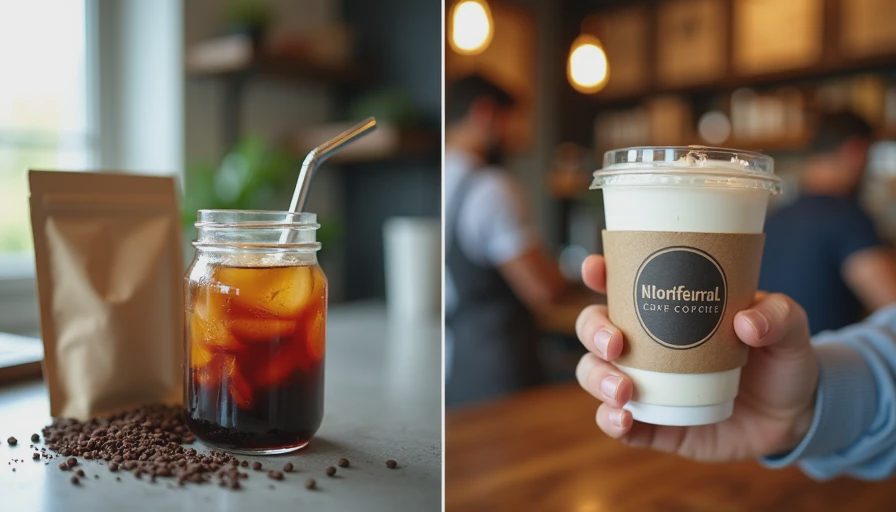
The café version we usually ordered was reliable and exactly sweet enough, but it always tasted a little flat once the ice started melting, and the chocolate note felt more like sweet brown syrup than actual chocolate. It also cost $5.75 before tax. When the homemade version started tasting more like chocolate and coffee in balance, and when the cost dropped below a dollar, the drive-through order lost its automatic status.
The cold-brew concentrate helped. It gives a smoother coffee base than the rushed espresso or drip coffee that sometimes ends up in café mochas. The grocery-store chocolate syrup, used carefully, supplies the chocolate without the heavy sweetness that usually takes over.
The Exact Method That Survived Testing
Fill a tall glass with ice.
Pour 3 ounces cold-brew concentrate over the ice.
Add 1 to 1½ teaspoons chocolate syrup (the regular ice-cream-aisle kind).
Pour 6 ounces cold oat milk.
Stir thoroughly.
Optional: dust with a light shake of unsweetened cocoa powder or add a tiny pinch of salt to sharpen the chocolate.
That is the entire drink. If you prefer it hot, warm the oat milk, stir the chocolate syrup into the milk first, then combine with the concentrate in a mug. Total active time stays between four and six minutes.
Ingredient Notes from Real Trials
Chocolate syrup
I tested three grocery-store options. The basic national-brand syrup in the plastic bottle won for flavor and cost. The store-brand version was slightly thinner and less chocolate-forward. The “premium” version tasted more like dessert and pushed the sweetness too high for daily use. One to one-and-a-half teaspoons is the practical range; more than that and the drink becomes candy.
Cocoa powder
A light dusting of unsweetened cocoa on top adds a drier chocolate aroma that the syrup alone lacks. It is optional but noticeable. I keep the same tin we use for occasional baking.
Salt
A tiny pinch (less than 1/16 teaspoon) makes the chocolate taste more like chocolate and less like pure sweetness. It is the one addition that consistently improved the drink in side-by-side tests.
Oat milk
Plain and unsweetened. The barista versions foam better but are not required. Regular oat milk keeps the cost and the ingredient list simple.
What the Drink Actually Tastes Like
The first sip is coffee and chocolate in roughly equal balance, with the oat milk keeping everything smooth. It is sweeter than my black coffee and less sweet than most café mochas. The optional cocoa and salt give it a slightly more adult chocolate note that the drive-through version lacks. Jamie’s exact description after the third or fourth test was “this is better than the one I usually get.” That sentence is what moved the recipe from experiment to default.
It does not taste like a melted chocolate bar. It tastes like a mocha that still remembers it is coffee.
The Failures That Produced the Final Ratios
The first attempts used two full tablespoons of syrup. The drink was sweet enough to make both of us reach for water afterward. Cutting back to one teaspoon, sometimes one and a half, fixed the balance.
I tried cocoa powder alone without syrup. The chocolate flavor was there but the texture felt thin and the drink needed more stirring to keep the powder from floating. Syrup plus a light cocoa dusting worked better.
I also tested a homemade chocolate sauce simmered from cocoa, sugar, and water. It tasted excellent and added a saucepan plus cooling time. The grocery-store syrup won on weekday practicality.
One version used leftover hot coffee instead of concentrate. It worked in a pinch but tasted thinner and lost clarity faster once the ice melted. Concentrate remains the better base.
Time, Cost, and Cleanup Reality
Active time: four to six minutes.
Cleanup: one glass, one spoon.
Special equipment: none.
Cost breakdown using current grocery prices:
Cold-brew concentrate portion ≈ $0.32
Oat milk (6 oz) ≈ $0.42
Chocolate syrup (1–1½ tsp) ≈ $0.06–0.09
Optional cocoa and salt ≈ negligible
Total: roughly $0.80–$0.85.
The drive-through mocha sits at $5.75 before tax. Even replacing two of those per week creates a noticeable monthly difference.
How We Adjust It for Two Preferences
Jamie likes the full 1½ teaspoons of syrup and the cocoa dusting. I use one teaspoon of syrup and sometimes skip the cocoa. I pour both concentrates first, then adjust the chocolate and milk per glass. Same short process, two slightly different drinks, almost no extra work. The pattern matches every other two-order morning in this kitchen.
In colder weather the hot version becomes more common. The ratios stay the same; only the temperature of the milk changes.
Why This Belongs in “Café Drinks, Minus the Commute”
The category is about recreating the drinks people actually order without the commute, the price, or the equipment that usually comes with them. This mocha passes that test. Every ingredient is available on a normal grocery run. The method fits inside a real morning. The result is good enough that the drive-through version has lost its automatic appeal.
It is not a perfect replica of any particular café recipe. It is a practical alternative that tastes better to us than the one we used to buy.
Practical Advice If You Want to Make It Tomorrow
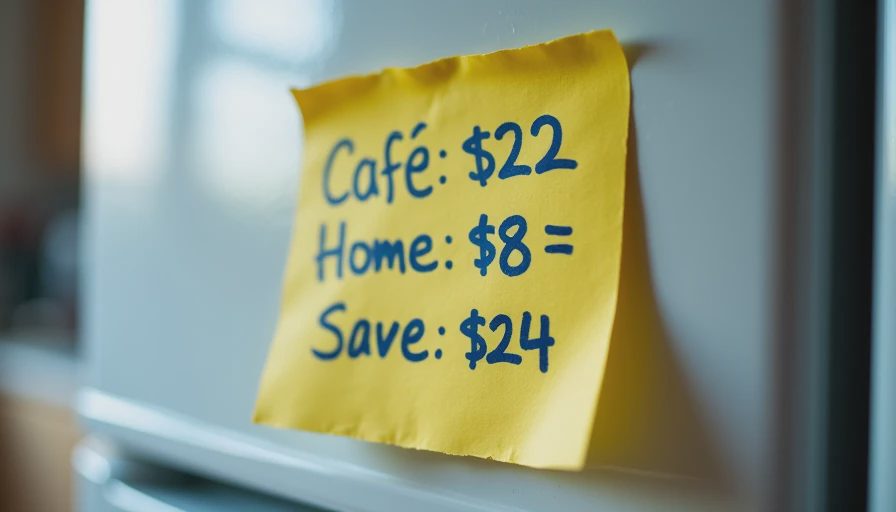
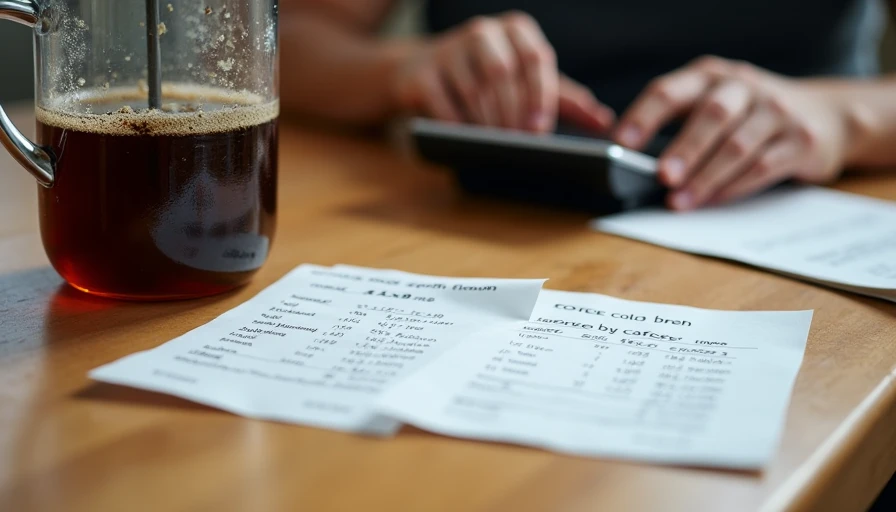
Use the cold-brew concentrate you already have (or strong leftover coffee in a pinch). Grab a standard bottle of chocolate syrup the next time you buy groceries. Start with one teaspoon of syrup and add more only if the drink tastes too stark. Try the tiny pinch of salt at least once—it is the least obvious improvement and one of the most effective. Write the rough ratios on a sticky note if that helps: 3 oz concentrate, 1–1½ tsp chocolate syrup, 6 oz oat milk, optional cocoa and salt.
The note on our fridge is short and slightly chocolate-smudged. It is not elegant. It is useful.
You have six minutes and a bottle of grocery-store chocolate syrup. Make this one. Good enough is the point here—and this is more than good enough.