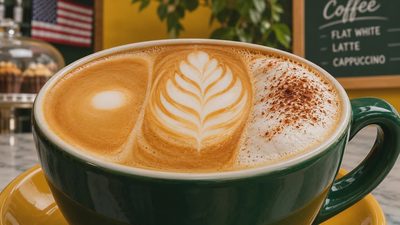
If you have ever stared at a café menu and wondered what is the difference between espresso and coffee, you are not missing some secret coffee knowledge. The short answer is that espresso is a concentrated brewing method, while “coffee” usually means a larger serving made with more water. The beans can be the same. The grind, equipment, water contact, flavor, and serving size are what change.
I tried both during a busy workweek, priced the ingredients, and paid attention to cleanup. Here is the shortcut: you do not need an espresso machine to make a strong, satisfying morning drink. You only need one if you specifically want espresso-based drinks such as lattes, cappuccinos, or Americanos.
What Is the Difference Between Espresso and Coffee in the Brewing Process?
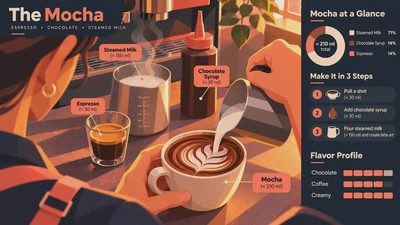
Espresso is made by forcing hot water through finely ground coffee under pressure. A typical shot uses about 7 to 9 grams of coffee for a single shot or 18 to 20 grams for a double shot. The water passes through the grounds quickly, often in about 25 to 30 seconds, producing a small, concentrated drink with a layer of crema on top.
Regular brewed coffee uses a coarser grind and a longer contact time. A drip machine might use roughly 10 to 12 grams of coffee for every 6 fluid ounces of water, with the brewing process taking several minutes. A French press, pour-over, or automatic brewer all work differently, but they create a larger cup by combining more water with the grounds.
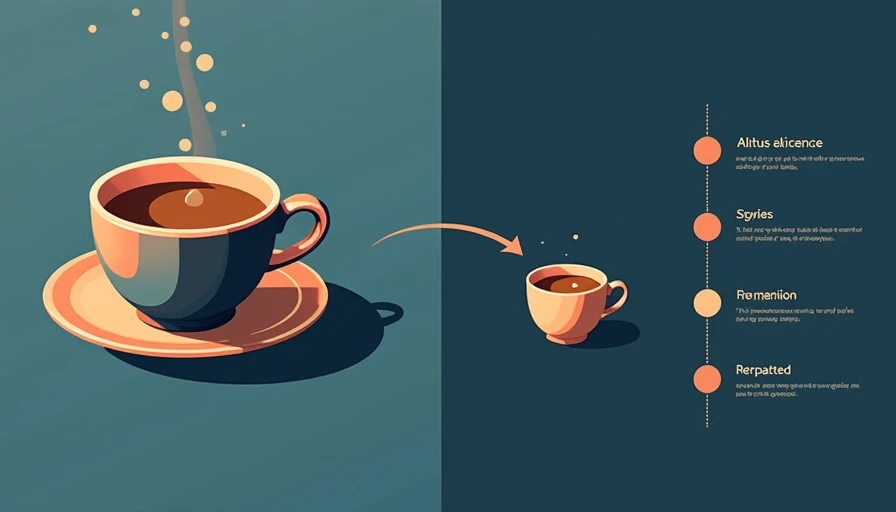
This explains why an espresso shot tastes intense without automatically containing more caffeine than a full mug. A double shot is powerful per ounce, but an 8-ounce cup of drip coffee often contains more total caffeine because it uses more water and coffee overall. The exact amount depends on the beans, serving size, and brewing method.
Are Espresso Beans Different From Coffee Beans?
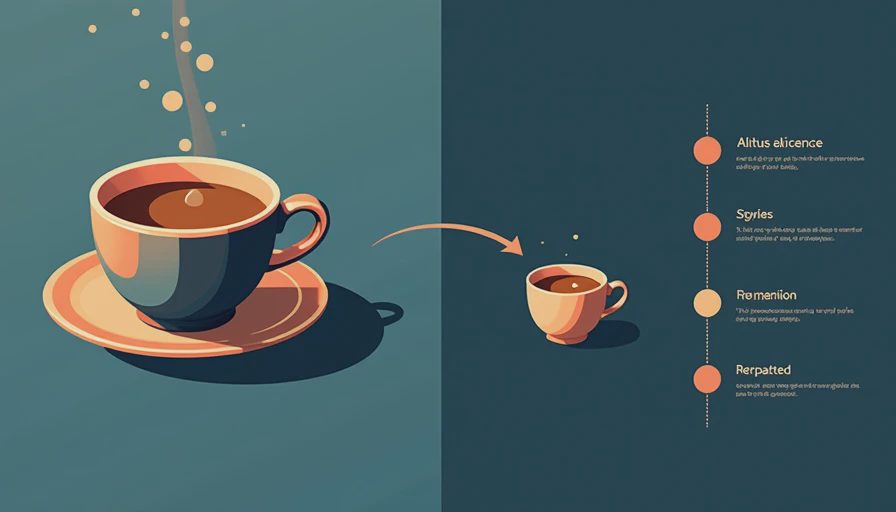
Not necessarily. “Espresso beans” are usually coffee beans selected or roasted with espresso brewing in mind, not a separate species of bean. The label often suggests a darker roast, but espresso can be made with light, medium, or dark roasted beans. A coffee bag labeled for drip brewing can also work in an espresso machine if it is ground correctly.
Roast level changes the flavor more than the label does. Dark roasts can taste smoky, bittersweet, and heavy, which works well with milk and sugar. Medium roasts often show more nutty, chocolate, caramel, or fruit notes. Light roasts can taste brighter and sharper, but they are less forgiving when your grind size or brewing temperature is off.
For a first home test, buy a small bag of medium roast coffee from a grocery store. I would not spend $25 on specialty beans before learning whether you enjoy espresso-style drinks. A $10 to $15 bag gives you enough coffee to compare methods without turning breakfast into a major project.
How Do the Taste and Texture Compare?
Espresso is concentrated, thick, and intense. A well-pulled shot can taste sweet and balanced, but an under-extracted shot may taste sour, while an over-extracted shot can taste bitter and dry. Espresso also has a heavier mouthfeel because the brewing process produces concentrated coffee oils and tiny suspended particles.
Drip coffee is lighter and easier to sip over 20 or 30 minutes. It can still be bold, especially with a darker roast or a smaller water ratio, but it usually has a cleaner texture. Cold brew is another category: it uses room-temperature or cold water over many hours, creating a smooth concentrate that is diluted before drinking.
If you are asking what is the difference between espresso and coffee because you dislike bitter coffee, do not assume espresso will fix the problem. A poorly adjusted espresso shot can be more unpleasant than a basic drip cup. Fresh grounds, the correct grind, and a reasonable coffee-to-water ratio matter more than the word printed on the bag.
Which One Has More Caffeine?
The answer depends on whether you compare caffeine by ounce or by serving. Espresso generally has more caffeine per ounce because it is concentrated. A 1-ounce shot may contain around 60 to 75 milligrams, although the number varies. An 8-ounce brewed coffee commonly lands somewhere around 80 to 120 milligrams, depending on the beans and recipe.
That means one shot does not automatically equal a full mug. A 12-ounce coffee can contain more caffeine than a single espresso shot, while a double espresso can approach or exceed the caffeine in a smaller brewed serving. If you are sensitive to caffeine, pay attention to the number of shots in a latte, iced drink, or Americano rather than judging by drink size alone.
Decaf is also not completely caffeine-free, but it can be useful when you want the flavor and ritual without a full-strength serving. For a late afternoon drink, I usually choose decaf brewed coffee or one decaf espresso shot with milk.
What Equipment Do You Need at Home?
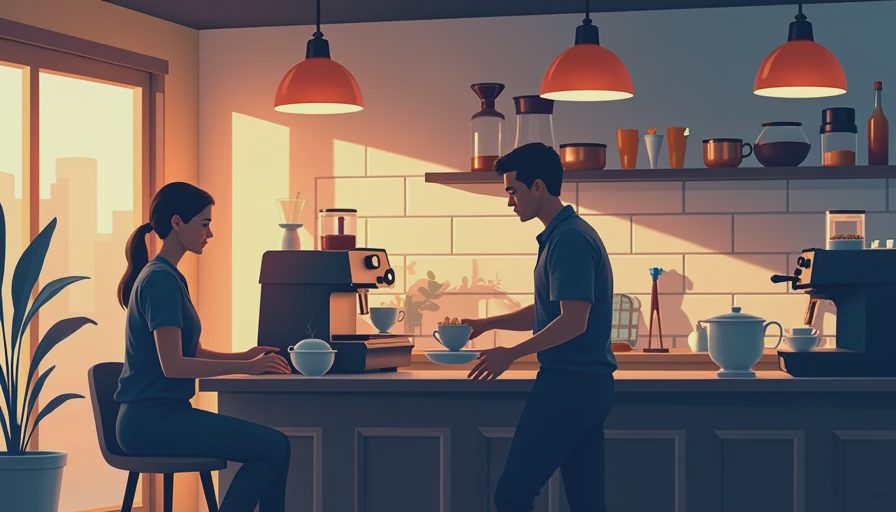
Brewed coffee is the easy winner for low cost and low cleanup. A basic automatic drip machine can cost about $25 to $60, and a pour-over cone can cost less than $20. You need ground coffee, a filter, water, and a few minutes. A French press is also inexpensive, although the mesh filter requires a little more rinsing.
Espresso equipment ranges from a $50 stovetop moka pot to several hundred dollars for a pump machine. A moka pot does not technically make espresso because it uses different pressure, but it makes a strong, concentrated coffee that works well in milk drinks. Entry-level pump machines can make enjoyable drinks, but they add tasks: grinding finely, tamping, timing the shot, steaming milk, and cleaning the portafilter.
For my apartment kitchen, a moka pot is the practical middle ground. It costs less, takes up little counter space, and makes a strong base for an iced latte. The downside is that it can taste harsh if the heat is too high or the pot is left on the burner too long. This is better for café-style drinks, but it is not $100 better than a good drip machine if you mainly drink black coffee.
Which Option Is Better for Your Morning?
Choose brewed coffee when you want a large mug, simple preparation, and the lowest daily cost. A 12-ounce homemade cup can cost roughly 35 to 70 cents depending on the beans and filter. It is the better choice for sipping during a commute, filling a travel tumbler, or making coffee for two people at once.
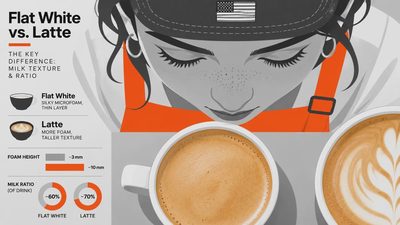
Choose espresso when you want a small, concentrated serving or drinks built around milk. A homemade double-shot latte might cost about $1 to $2 after adding coffee and milk, compared with a café drink that can easily cost $5 or more. The savings become meaningful if you make several drinks each week and already enjoy the process.
If you are still asking what is the difference between espresso and coffee, think of the choice as equipment versus convenience. Espresso gives you a concentrated base and more drink options, but brewed coffee wins on speed. For a ten-minute weekday morning, load the drip machine and move on. For a relaxed Saturday latte, use the moka pot or espresso machine.
A Simple Home Comparison to Try
Make one small batch of drip coffee and one moka-pot coffee using the same medium-roast beans. Keep the roast, water, and serving temperature as similar as possible. Taste both black first, then add two tablespoons of milk to each. Notice the differences in strength, body, bitterness, and how long the flavor stays on your tongue.
Do not change five variables at once. Use the same brand of milk, skip flavored syrup for the first comparison, and write down which drink you would actually make again. Jamie preferred the milk-based moka drink because it tasted closer to a café latte, while I preferred drip coffee for a second cup. That was the useful result: there was no universal winner.
What is the difference between espresso and coffee in everyday life? Espresso is a concentrated method and coffee is usually a broader, larger drink category. Both can be excellent, both can be inexpensive at home, and neither requires expensive equipment to enjoy. Start with the method that matches your mornings, then upgrade only when you know what you are trying to improve.