If you want to know how to make espresso at home, start with the setup you will actually use on a busy morning. You do not need a $1,500 machine, a cabinet full of accessories, or professional barista skills. A basic espresso machine, fresh coffee, a grinder, and ten spare minutes can produce a shot that is strong, smooth, and much cheaper than a coffee-shop drink.
My practical recommendation is a small semi-automatic machine in the $150 to $300 range if you already enjoy espresso drinks. If you are still testing the habit, a stovetop moka pot costs less and makes concentrated coffee, although it is not technically espresso. I tried it, priced it, and found that the shortcut is learning a repeatable routine rather than chasing perfect equipment.
What You Need for Home Espresso
The essential equipment is shorter than most coffee videos suggest. You need an espresso machine that creates pressure, a burr grinder capable of a fine setting, a scale, a tamper, and a small cup. Some machines include a portafilter, tamper, and milk pitcher. A digital kitchen scale often costs $15 to $25 and is more useful than a decorative espresso tool.
For coffee, buy whole beans in a small bag and use them within a few weeks after opening. A medium roast is usually forgiving for beginners. Dark roasts can taste rich and chocolatey, but they can also turn bitter quickly. A 12-ounce bag priced around $12 to $18 will usually make roughly 20 to 25 double shots, putting the coffee portion near 50 to 75 cents each.
Your grinder is the item most likely to change the result. A cheap blade grinder chops unevenly, so one part of the coffee can overextract while another part remains weak. A basic burr grinder from a recognizable kitchen brand is a better investment. You can start with pre-ground espresso coffee, but the flavor will fade faster after opening and your adjustment options will be limited.
How to Make Espresso at Home Step by Step
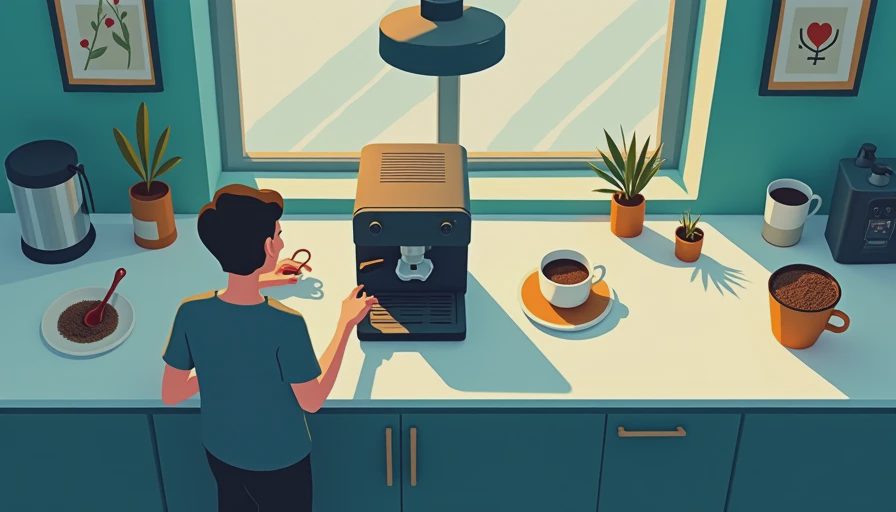
The basic method for how to make espresso at home is simple, but small details matter. Start by running a short amount of water through the group head to warm the machine and rinse away old coffee residue. Lock in the portafilter without coffee for a few seconds if your machine allows it, then wipe the basket dry.
Grind 18 grams of coffee for a standard double shot. Distribute the grounds across the basket, then tamp straight down with firm, even pressure. You do not need to crush the coffee with your full body weight. The goal is a flat coffee bed without obvious cracks around the edge.
Place your cup under the spouts and start the shot. A useful beginner target is about 36 grams of liquid espresso in 25 to 35 seconds. These numbers are a starting point, not a test you can fail. If the shot runs in 12 seconds and tastes thin, grind finer. If it drips slowly for 50 seconds and tastes harsh, grind slightly coarser.
Taste the espresso before adding milk or syrup. A balanced shot should have noticeable flavor and some sweetness, even if it is not your preferred roast. If it tastes sharply sour, it probably extracted too little. If it tastes burnt, dry, or intensely bitter, it probably extracted too much or the coffee is too dark for your machine.
Fixing the Most Common First Attempts
My first home shot was not café magic. It sprayed slightly, ran too quickly, and tasted like bitter toast after I added milk. The problem was an uneven tamp and a grinder setting that was too coarse. I wasted one dose of coffee, cleaned the basket, and slowed down the preparation. That second attempt was much more drinkable.
When how to make espresso at home goes wrong, change only one variable at a time. Start with grind size because it controls the water flow most directly. Use a finer grind for a fast, weak shot and a coarser grind for a slow, bitter shot. Keep the coffee dose and target yield the same while you adjust.
Channeling is another common issue. It happens when water finds a crack or weak path through the grounds instead of moving evenly across the basket. You may see spurting from the portafilter or a shot that tastes both sour and bitter. Stirring the grounds gently with a thin distribution tool can help, but careful leveling and tamping often solve enough of the problem.
Also clean the basket after every use. Wipe the group head, empty the puck, and purge the steam wand immediately after steaming milk. A two-minute cleanup prevents old coffee oils and dried milk from affecting tomorrow's drink.
Milk Drinks Without a Coffee Shop Price
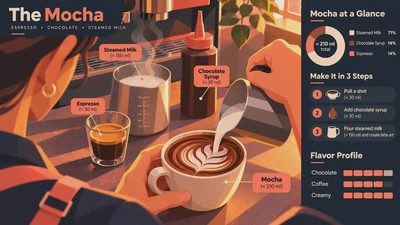
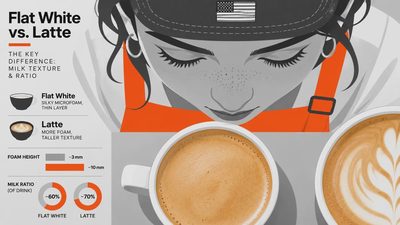
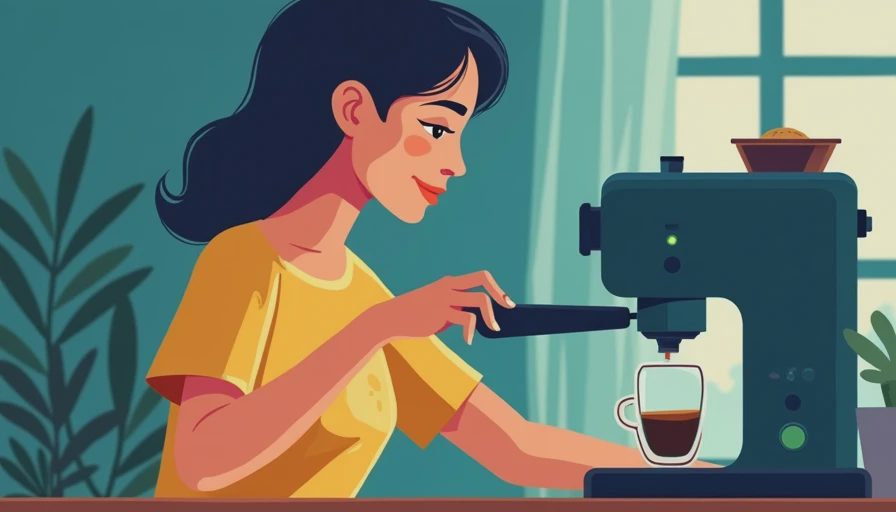
Once you understand how to make espresso at home, lattes and iced drinks are easy. For a hot latte, pull a double shot into a 10- to 12-ounce mug. Steam about six ounces of milk until it feels hot but not scalding, then pour it over the espresso. A handheld frother works with warmed milk, although the foam will be lighter and less silky.
For an iced latte, fill a tall glass with ice, add six to eight ounces of milk, and pour the espresso over the top. Add one to two teaspoons of maple syrup, vanilla syrup, or brown sugar if you want sweetness. Jamie prefers an iced latte with extra milk and vanilla, while I usually drink the shot with only a splash of milk. One kitchen can handle both without making two complicated recipes.
A homemade double-shot latte usually costs around $1 to $1.75, depending on the beans and milk. A similar café drink often costs several dollars before an extra syrup charge. The machine does not pay for itself instantly, but regular drinkers can recover a $200 setup over several months instead of several years.
Choosing a Machine and Knowing What to Skip
For a first machine, look for a standard 58-millimeter or 54-millimeter portafilter, a removable water tank, and a steam wand you can clean easily. Breville Bambino models are popular because they heat quickly and take up limited counter space. De'Longhi machines often offer accessible entry prices and straightforward controls. These are examples to compare, not automatic recommendations.
Skip the oversized machine with ten drink buttons if you mostly want espresso, iced lattes, and cappuccinos. More buttons do not fix stale beans, poor distribution, or an unsuitable grind. A built-in grinder can save counter space, but a separate burr grinder is easier to replace or upgrade later.
A pod machine is convenient and consistent, especially for a very rushed morning. The tradeoff is higher per-shot cost, more packaging, and less control over coffee freshness. If cleanup is your biggest obstacle, pods may be worth it. If cost and flavor control matter more, ground coffee usually wins.
A Five-Minute Weekday Routine
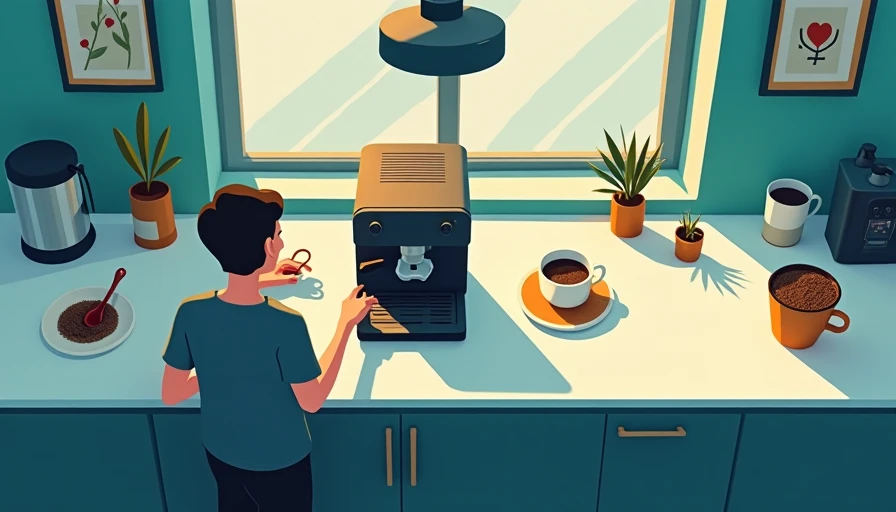
To make how to make espresso at home realistic, prepare the night before. Fill the machine's water tank, set out the cup, and keep the beans near the grinder. In the morning, turn on the machine, grind the dose, tamp, and pull the shot. Steam milk while the espresso is brewing, then rinse the portafilter and wipe the wand.
The complete routine can take five to ten minutes once you stop changing settings every morning. Keep a small note on the refrigerator with your grinder setting, dose, yield, and the date you opened the beans. If a shot tastes good, repeat those numbers before experimenting.
The best setup is not the one that earns compliments online. It is the one you can clean, afford, and use before work. For most beginners, how to make espresso at home comes down to fresh enough beans, a decent burr grinder, an even tamp, and patience through the first few imperfect shots. Good enough is the point here—and a homemade latte for about a dollar is more than good enough.